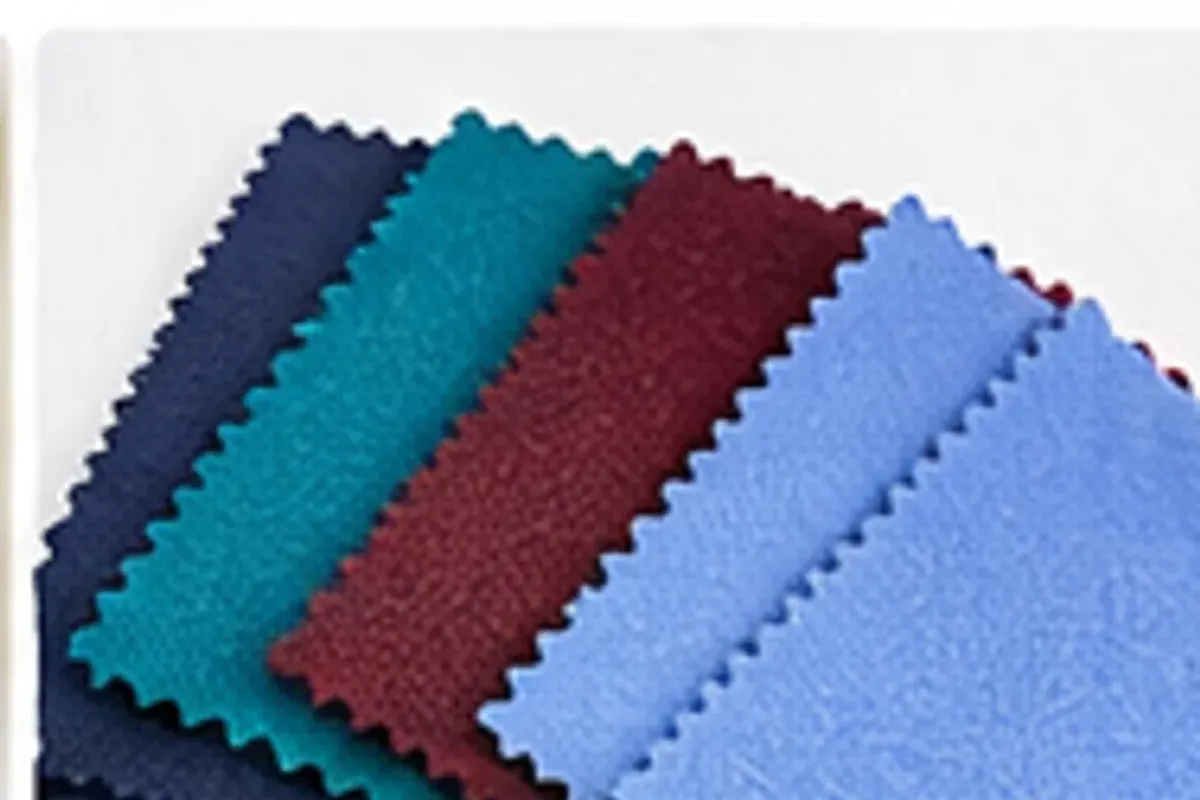
A piqué polo shirt is a polo made from piqué, a knitted fabric with a small raised pattern on its face, often described as a waffle or honeycomb texture. The texture comes from the way the yarn is looped in knitting. It gives the polo a firmer body than plain T-shirt jersey, lets air pass through, and helps the collar area hold its shape.
For school uniform, piqué is the fabric most buyers mean when they say “polo”. This guide explains the word and the fabric in plain terms.
Where does the word piqué come from?
“Piqué” is a French word meaning quilted or pricked. It was first used for woven cotton fabrics with a raised pattern, and later for knitted fabrics with a similar textured surface. In English it is often written without the accent, as “pique”, and pronounced “pee-kay”.
On a polo label or in a specification, “piqué” tells you the knit structure. It does not tell you the fibre: piqué can be knitted from cotton, polyester or a blend.
How is piqué knitted?
Piqué is a variation of a basic knit in which some stitches are held or tucked rather than knitted in the usual way. Those tucked stitches create small raised cells across the face of the fabric. The back is usually flatter.
There are two common forms:
| Type | Surface | Feel | Typical use |
|---|---|---|---|
| Single piqué | Fine, small cells | Lighter, smooth | Many everyday polos |
| Double piqué | Deeper, more defined cells | Firmer, slightly heavier | Polos where a more textured look is wanted |
Both are used for polos. The texture you choose matters less than the fabric’s weight, fibre and finish, which is why we confirm the fabric for each order at quotation.
Why is piqué used for school polos?
Piqué has several qualities that suit a garment worn all day by children:
- Structure. It is firmer than jersey, so the polo keeps a neat shape around the chest and placket.
- Air flow. The textured surface lets air move, which helps in warm classrooms.
- Hiding marks. The texture breaks up light, so small creases and marks show less than on flat fabric.
- Easy care. Piqué polos rarely need much ironing.
- Recognisable look. Families and schools know it as the polo look, distinct from a PE T-shirt.
We use two piqué fabrics for school polos: poly-cotton piqué and polyester piqué. The difference between them is the yarn, not the knit.
How can a buyer tell piqué from other fabrics?
A few quick checks with a garment in hand:
- Look closely at the face: piqué shows a regular pattern of small raised cells
- Turn it over: the back is usually flatter than the face
- Feel it: piqué is firmer than T-shirt jersey of a similar weight
- Check the collar: a piqué polo usually has a separate knitted rib collar
- Read the label: the fibre content is listed there, not the knit
If you are comparing polos from different sources, look at them side by side in the same colour. Differences in texture and firmness are much easier to see that way. Our page on fabrics and colour matching explains how we confirm fabric and colour before production.
Piqué and your polo specification
When you specify a school polo, “piqué” is the starting point. The choices that follow are the fibre (poly-cotton or polyester), the fabric weight and the colour. If you already sell a piqué polo that works, send it and we match its fabric as closely as we can and confirm it in the quotation.
See the polo styles we make, all in piqué, on our school polo shirts page. When you are ready, send your specification or a reference polo and we will prepare a quotation per style, by fabric, quantity and branding.
Questions buyers ask
Is a piqué polo the same as a cotton polo?
Not necessarily. Piqué describes the knit, and cotton describes the fibre. A piqué polo can be cotton, polyester or a blend. School polos are commonly made in poly-cotton or polyester piqué, which handle repeated washing well.
Is piqué warmer than T-shirt jersey?
Piqué can feel slightly cooler on the skin because its textured surface lets air move and sits away from the body a little. Fabric weight matters more than knit for warmth, so compare polos of similar weight if this is important.
Does piqué shrink?
Any knitted fabric can shrink slightly, especially if washed hot or tumble dried on high heat. Fabric relaxed before cutting moves less. Care advice, such as washing at a moderate temperature, helps a piqué polo keep its size.