A school group uniform for different climates works when the group fixes a shared identity, the colours, logo and core styles, and then lets each campus choose which garments it needs from an approved list. A school in a hot coastal city and one in a cool hill town can look like members of the same group without wearing the same clothes every day. The planning task is building one master specification that every campus orders from.
This guide is for school groups with campuses in more than one region or country, and for the suppliers who serve them.
Shared identity, local garment lists
Split the uniform into what every campus shares and what each chooses.
| Element | Shared across the group | Chosen by each campus |
|---|---|---|
| Colours | Main and accent colours, matched once | None |
| Logo | Group badge, method and position per garment | Campus name below the badge, if wanted |
| Core styles | Shirt or polo, trousers, skirt, PE T-shirt and shorts | Which of these are required |
| Seasonal garments | Specification for each, in the group colours | Whether to use them, and in which months |
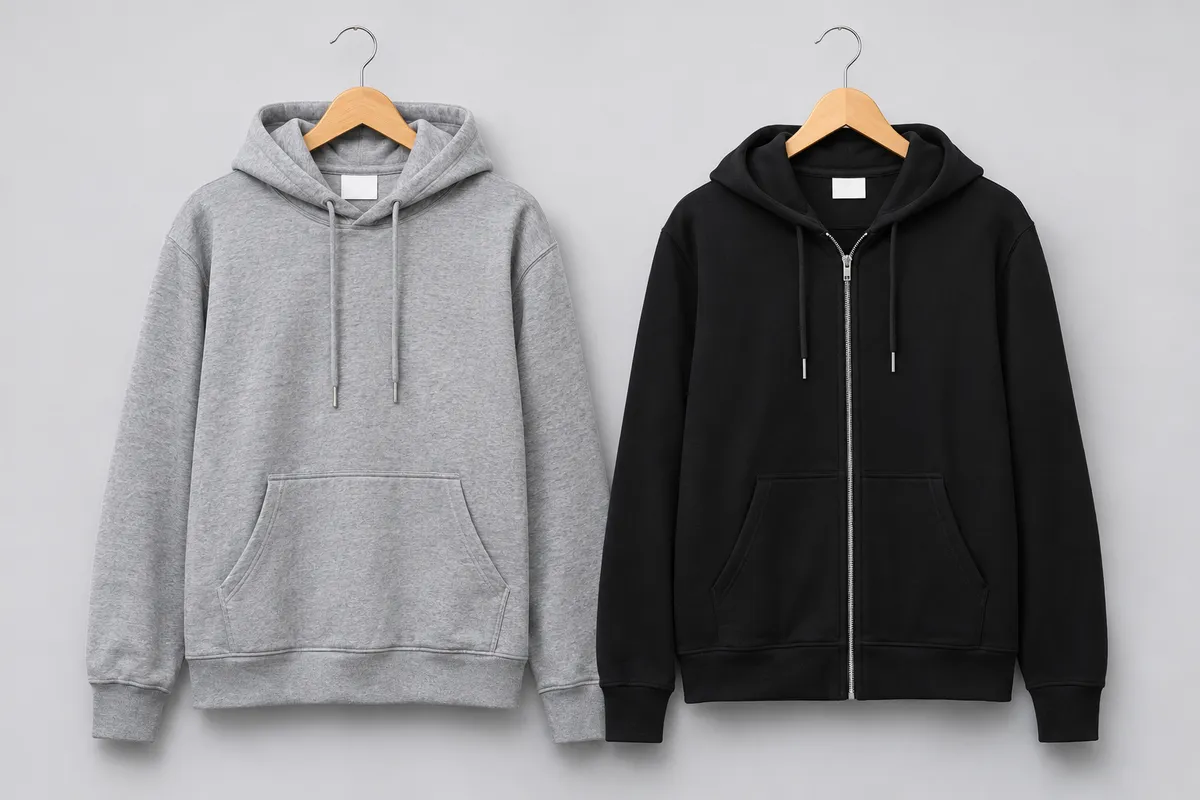
| Outer layers | Blazer, fleece jacket, sweatshirt, tracksuit specifications | Which layers are on the list |
A campus in a hot climate might use only polos, shorts, skirts and PE kit. A campus with cold winters adds knitwear, a blazer and a fleece. Both draw from the same master list, in the same colours and with the same logo.
Building the master specification
- Agree colours once. Match each group colour on every fabric used across the list, woven and knitted, and approve them together.
- Fix the logo. Set the method, size and position for each garment type. Logo embroidery or printing is available, confirmed with the sample.
- Write one specification per garment, covering style, fabric, colour and logo, used by every campus that orders it.
- Create a menu. List every approved garment, so each campus picks from the menu rather than inventing new pieces.
- Agree the size chart format, by age band or by chest and waist, the same for every campus.
Once samples are approved, repeat orders from any campus are made to them, so the colour on a polo ordered in one country matches the polo ordered in another.
Ordering for campuses on different calendars
Campuses in different hemispheres or climates have their seasons at different times. A supplier or group office can:
- List each campus with its term start and its warm and cool months
- Group campuses with similar calendars into one order where possible
- Order seasonal garments separately for each calendar group
- Combine all-year core garments across campuses to reach minimums
- Confirm shipping to each destination in the quotation
Each style has its own minimum, 50 pieces for woven garments or 100 for knitwear and sportswear, and sizes can be mixed. A garment used by only one small campus may be better added to a larger campus’s order of the same style. We take enquiries from buyers in any country; shipping method, terms and documents are confirmed in the quotation.
Our page for schools and school groups explains how we handle group orders. The school polo shirts and school tracksuits and jackets pages show two styles that suit almost any climate.
Common pitfalls
Groups that skip the master specification tend to meet the same problems: each campus matching its own shade of the group colour, logos of different sizes, and outer layers ordered from different makers that do not fit together. A single specification and one set of approved samples avoid all three.
We manufacture the full range in India, so one quotation can cover every garment on a group’s menu. Send us the list of campuses, their climates and the garments each needs, and we will quote by style, fabric, quantity and branding.
Questions buyers ask
Can each campus add its own name to the group badge?
Yes. A campus name can be embroidered or printed beneath the group badge. Each name is a separate artwork, so plan it into the specification and confirm it on the sample for each campus.
Should a hot-climate campus still list a blazer?
Only if it wants one for formal events. Many groups let warm-climate campuses leave the blazer off the daily list while keeping it available for ceremonies, so the group look is still possible on special days.
How does a group keep colours consistent across countries?
By approving colours once, on every fabric used, and ordering every campus’s garments to those approved samples. Sending a current garment with each reorder helps confirm the match.