Uniform safety stock is the extra quantity a shop holds above expected sales, so that a late delivery or a sudden rush does not empty the shelf. The right amount is not a fixed share of the order. It depends on how fast each garment sells, how much its demand swings, how long a new order takes and how much a gap would cost you in lost sales.
Safety stock is not the same as the opening order
The opening order covers what you expect to sell. Safety stock covers what you did not expect. Keeping the two ideas apart makes each easier to plan.
Think of safety stock as insurance with a cost. Every extra garment ties up money and shelf space, and some will still be on the shelf at the end of the year. The goal is to hold enough to protect the sales that matter, and no more.
Four questions that set the level
For each garment, and ideally each size, ask:
- How fast does it sell? Faster lines need more cover, because a gap of the same length loses more sales.
- How much does demand swing? A steady seller needs less cover than one that can double in a week, such as PE kit before a sports day.
- How long and how certain is the lead time? Lead time is confirmed in each quotation. Longer journeys, or periods with less predictable shipping, call for more cover.
- What does a gap cost? Missing a core shirt size can lose a whole uniform sale. Missing an optional slipover loses one small item.
Answer these roughly, and you can place each garment in a band.
| Safety stock band | Typical garments | Cover to aim for | Reason |
|---|---|---|---|
| High | Middle sizes of shirts, blouses, polo shirts, trousers | Several weeks of sales | Fast, compulsory and bought in multiples |
| Medium | Knitwear, sweatshirts, PE kit, skirts | A few weeks of sales | Seasonal swings and losses |
| Low | Blazers, tracksuits, summer dresses | Enough for a short delay | Slower, or tied to one season |
| Minimal | Optional items, extreme sizes | A few pieces | Small demand; gaps hurt less |
These bands are a starting point. A shop serving one large school will set them differently from one serving many small ones.
Where to place safety stock
Spread evenly, safety stock gets wasted on sizes that never run short. Concentrate it.
- In fast sizes. The two or three middle sizes of each daily garment carry most of the risk.
- In compulsory garments. Students cannot attend without them, so a gap brings complaints to the school as well as to you.
- Ahead of known peaks. Hold extra in the weeks before the new year and before winter, then let it run down.
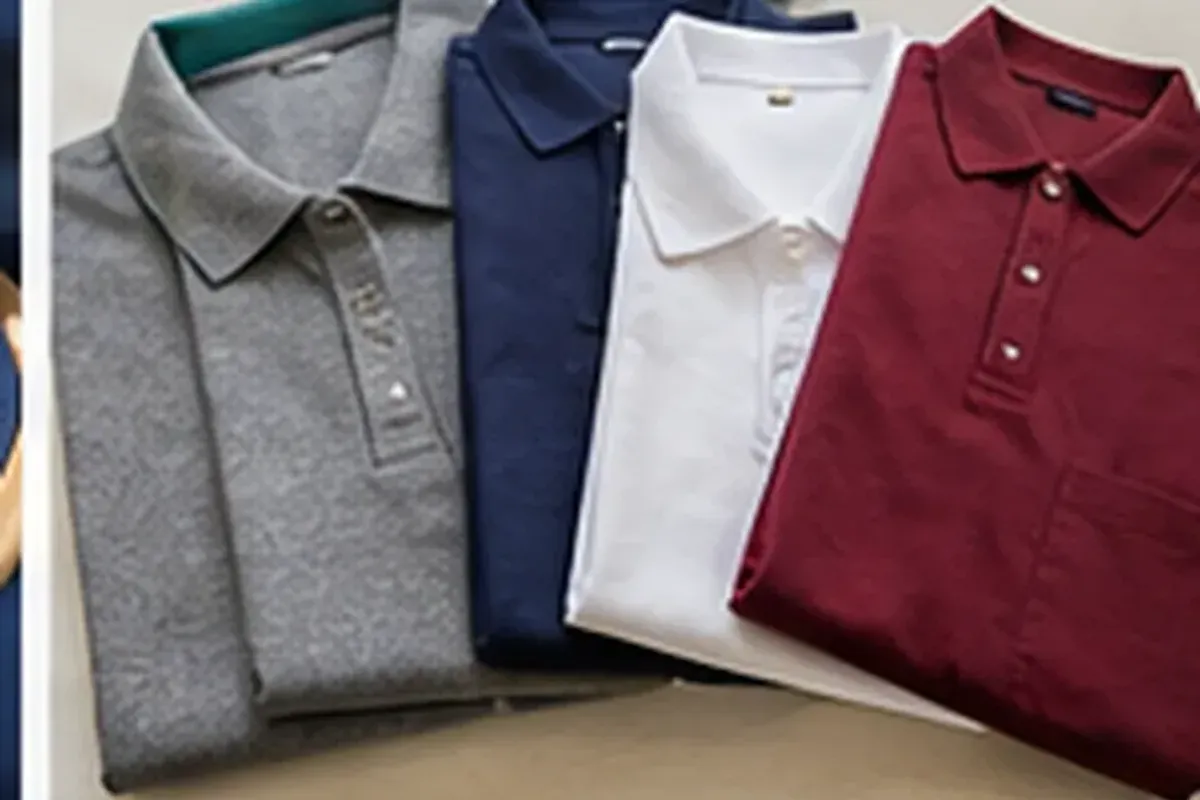
- In plain stock where you can. A plain white shirt or navy polo under your own label can serve several schools, so safety stock in plain lines is less likely to be stranded than logo stock tied to one school.
Reviewing safety stock through the year
Safety stock should rise and fall with the calendar. Hold more ahead of the busy weeks, and let it fall in quiet periods so it does not sit through the summer.
At each review, check two signals. If you dipped into safety stock often, the level was too low, or your expected sales were too optimistic. If you never touched it, it may be too high for that garment, and you can lower it next time.
Each top-up still needs to meet the minimum for its style, with sizes mixed: 50 pieces for woven garments, 100 for knitwear and sportswear. That floor can itself act as safety stock for slower lines, since it often means ordering a little more than the bare gap.
Safety stock and supplier reliability
Clear timelines reduce the safety stock you need. When you know the lead time and plan backwards from the date you need goods, you can hold less spare. Ask for the lead time in every quotation and keep a note of how each order actually arrived, so your cover reflects real experience.
Shops and suppliers can see how we work with retailers on the uniform shops and retailers page. If you would like to build safety stock in plain lines under your own label, our school polo shirts page shows the styles shops often hold in reserve. Send your garments and expected sales, and we will quote each style by fabric, quantity and branding.
Questions buyers ask
Is safety stock worth holding for blazers?
A small amount, yes, in the one or two sizes that sell most after the opening rush. Blazers sell slowly, but a missing size can lose a large sale and frustrate a family, so a few pieces in reserve usually pay for themselves.
Should safety stock be kept separately from shop stock?
Some shops keep it on a marked shelf so staff notice when they start using it. Others simply set a higher reorder point. Either works, as long as dipping into the reserve prompts a reorder rather than going unnoticed.
Can a supplier hold safety stock for us?
We manufacture to order and do not hold stock in other countries, so safety stock sits with you. Plan it as part of each order, and time reorders using the lead time confirmed in the quotation.