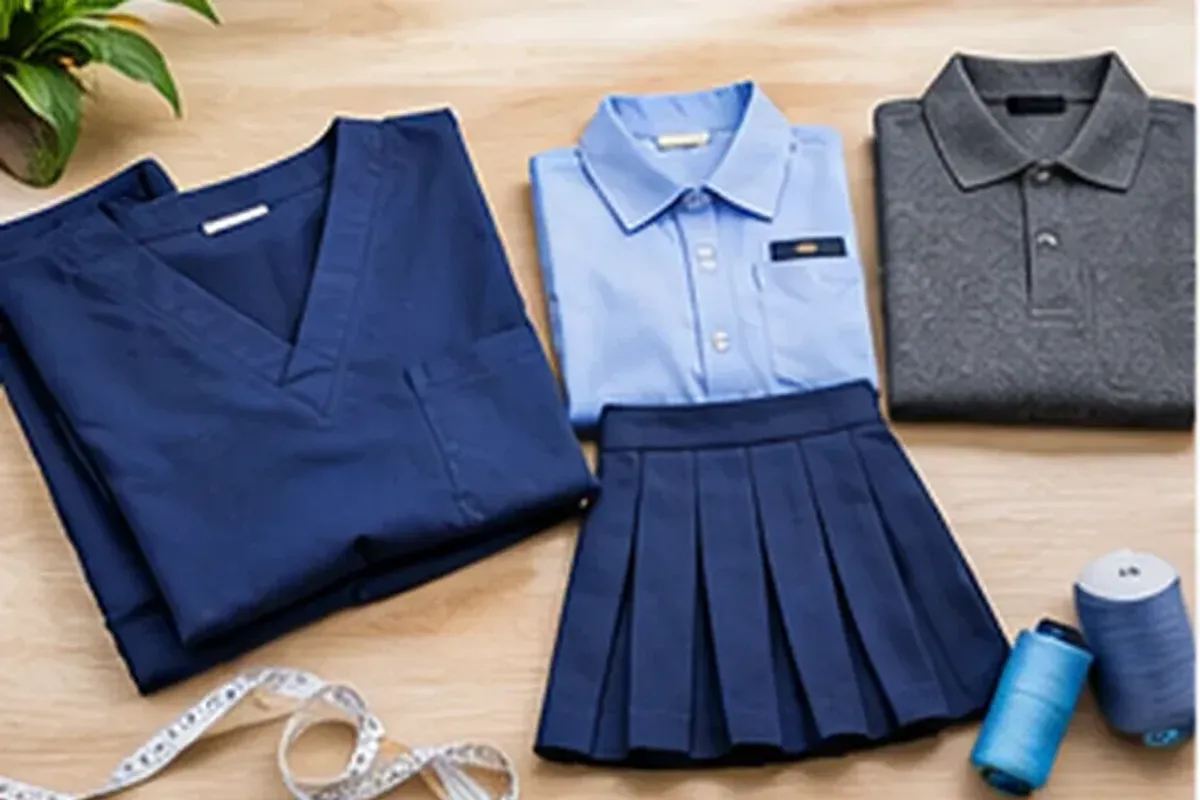
Complete uniform availability means a family can buy every compulsory item on a school’s list, in their child’s sizes, in a single visit. A shop can hold plenty of stock overall and still fail this test, because one empty size in one garment stops the whole purchase. Planning for complete availability means matching stock depth across garments size by size, so that tops, bottoms, knitwear and PE kit run out together rather than one at a time.
Why one gap costs more than one sale
Families buying for a new year, or a starter buying a first uniform, want everything at once. If the shop has shirts, jumpers and PE kit in their child’s size but no trousers, many will not buy the rest and come back later. Some will go elsewhere for the whole list.
So the true cost of a gap in one garment is not one lost item. It can be a lost uniform. That is why complete availability is worth measuring separately from total stock.
Measuring complete availability
A simple check works for any shop. For each school and each size band, ask: could a family buy every compulsory item today?
| Size band | Shirt or polo | Trousers or skirt | Jumper or sweatshirt | Blazer | PE kit | Complete? |
|---|---|---|---|---|---|---|
| Age 7–8 | Yes | Yes | Yes | n/a | Yes | Yes |
| Age 9–10 | Yes | No (trousers) | Yes | n/a | Yes | No |
| Age 11–12 | Yes | Yes | Yes | Yes | Yes | Yes |
| Age 13–14 | Yes | Yes | No (jumper) | Yes | Yes | No |
| Age 15–16 | Yes | Yes | Yes | Yes | No (shorts) | No |
Run this weekly in busy periods. Each “No” names the exact garment and size to reorder, and the table makes it clear which gaps block the most families.
The table is an example. Size bands, compulsory items and the presence of a blazer differ by school; build your own from each school’s list.
Why garments run out at different times
Even with a careful opening order, garments drift out of step for a few reasons.
- Different sets per student. Shirts sell in multiples while blazers sell singly, so shirts empty faster unless depth reflects this.
- Different size habits. Families size up on knitwear and blazers but buy shirts closer to fit, so the same child takes different sizes from different garments.
- Different seasons. Knitwear demand jumps in the cold months while summer items sit still.
- Different minimums and reorders. A knitwear style ordered in a separate round may arrive later than the woven garments it is worn with.
Each of these pulls garments apart over the year. Complete availability needs regular correction, not just a good start.
Planning depth that keeps garments in step
Link garment depth through sets per student
Set each garment’s depth for a size band from the number of students in that band, multiplied by the sets each family buys. If students in a band buy three polos and two pairs of trousers, polo depth should be roughly one and a half times trouser depth.
Allow for size shifts between garments
If families size up on jumpers, put the jumper depth one band higher than the shirt depth for the same students. Your size charts for each garment help staff guide families to consistent choices, and the charts are agreed with each order.
Reorder the laggards first
When stock is reviewed, reorder the garment that would break complete availability soonest, even if another garment’s count looks lower. The table above shows which one that is.
Group styles in one order where possible
Woven garments start at 50 pieces per style and knitwear and sportswear at 100, with sizes mixed. Placing reorders for several garments together helps them arrive in step.
Where complete availability matters most
Not every week is equal. Focus the check on:
- The weeks before and after the new school year begins
- Induction and fitting days for new starters
- The weeks before winter, when knitwear joins the list
- Any time a school sends a reminder to families about uniform rules
Outside these periods, single-item purchases dominate, and individual garment stock levels matter more than complete sets.
Trousers and skirts are often the garment that breaks a complete set, so our school trousers and shorts page is a useful place to plan deeper stock. Send us the garments and size bands you want to bring into step, and we will quote each style by fabric, quantity and branding.
Questions buyers ask
Should a shop sell uniforms as fixed sets?
Some shops offer starter packs, but most families need different quantities of each item. Selling single garments while planning stock as complete sets gives families the choice and keeps the shop able to serve the whole list in every size.
Which garment most often breaks complete availability?
It varies by shop, but trousers and skirts are common culprits, because they must fit at both waist and length and families rarely accept a substitute size. Knitwear also breaks sets in the weeks just before the cold season.
Does complete availability apply to optional items?
Usually not. Check it against compulsory items only, since a missing optional slipover or skort rarely stops a family buying the rest. Track optional items separately so they do not distort the picture.