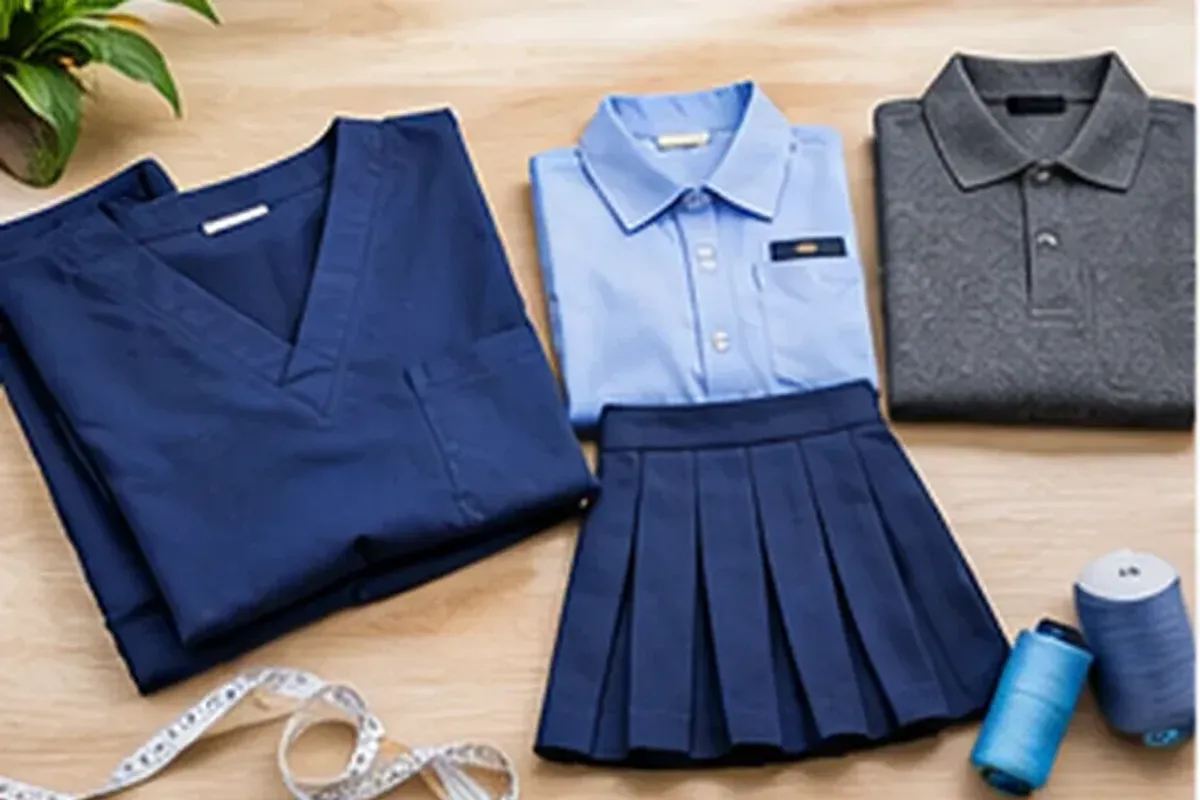
A uniform supplier review is a short, once-a-year look at how your uniform manufacturer performed, based on evidence from your own records rather than impressions. It covers five areas: delivery against the agreed date, match to the approved sample, faults found, how problems were handled, and whether repeat orders stayed consistent. The result is one of three decisions: carry on, carry on with agreed improvements, or start looking elsewhere.
The value of a review is that it happens before the next order, while there is still time to act on what it finds.
When should a school or shop review its uniform supplier?
The natural moment is a few weeks after the main delivery has been sold or issued, when the busiest period is over and the after-season notes are written. For a school year that starts in September, that is usually late in the autumn term. For a January or February start, it falls around the end of the first term.
Doing the review then means any change, whether a fix with the current supplier or a move to a new one, can be built into the next order.
A supplier review scorecard
Score each area on a simple scale, such as good, acceptable or poor, and write down the evidence for each score. Evidence turns a review from a complaint session into a useful conversation.
| Area | Questions | Evidence to look at |
|---|---|---|
| Delivery | Did goods arrive when agreed? Was any delay explained in advance? | Order confirmation, dispatch notice, delivery date |
| Match to sample | Did bulk match the approved sample in colour, fit and logo? | Approved sample, delivery check sheet |
| Faults | How many faults were found, and of what kind? | Fault log, returns, family complaints |
| Problem handling | When something went wrong, how quickly and clearly was it dealt with? | Emails, call notes |
| Consistency | Did this order match last year’s garments? | Reference garments from each order |
| Communication | Were questions answered in writing? Was there one clear contact? | Correspondence |
| Paperwork | Were quotations, packing lists and documents accurate? | Order file |
Look across garments, not just at the order as a whole. A supplier might deliver trousers that match perfectly while the jumpers drift a shade each year. That points to a specific fix, not a general verdict.
Points to check garment by garment
Some issues only appear when you compare garment types.
Woven garments. For trousers, shirts and skirts, check that waist and length measurements match the size chart, and that colour has stayed constant against the reference garment.
Knitwear. For jumpers and cardigans, check shade against the reference, and look at older garments for pilling or loss of shape at the cuffs and hem after a term’s wear.
Sportswear. For PE kit and polos, check that colours held after washing and that logos stayed intact.
Talk to whoever handles size swaps and complaints. They often know more about how garments wear than anyone else.
Running the review conversation
Share the scorecard with the supplier before you meet or call. Keep the conversation to facts and next steps.
- Start with what went well, specifically
- Go through each poor or acceptable score with its evidence
- Ask the supplier for its view of each issue
- Agree one or two concrete changes for the next order
- Write down who does what, by when
- Send a short written summary afterwards
If the same issue appears two years running, despite agreed changes, that is the point to consider other manufacturers. Even then, collect your handover pack, including reference garments, artwork and size charts, before you start, so a new supplier can match what you have.
We manufacture in India and welcome reviews of this kind from schools and shops we supply. Each order is made and checked against the approved sample, and we keep that sample on record so the next order can be matched to it.
Our page for schools and school groups explains how we handle repeat orders. Garments worth a close look in any review include school trousers and shorts and knitted jumpers and cardigans. If your review suggests a change, send us your specification and a reference garment of each style, and we will quote.
Questions buyers ask
Should a school review its uniform supplier every year?
A light review each year, after the main delivery, is useful even when things went well. It takes an hour with good records, keeps standards visible and gives you evidence if a problem appears. A fuller review, with new quotations, can follow every few years or when issues repeat.
What if we have no records to base a review on?
Start keeping them now: a delivery check sheet, a fault log and a short note after each season. For this year’s review, use what you can find, such as emails and reference garments, and be honest that some scores are based on memory rather than evidence.
Should we tell the supplier we are asking other manufacturers for quotes?
That is your choice. Many buyers are open about it, which can prompt useful improvements. Either way, judge any new quotation against the same specification and samples, so the comparison is fair to every manufacturer, including the one you already use.