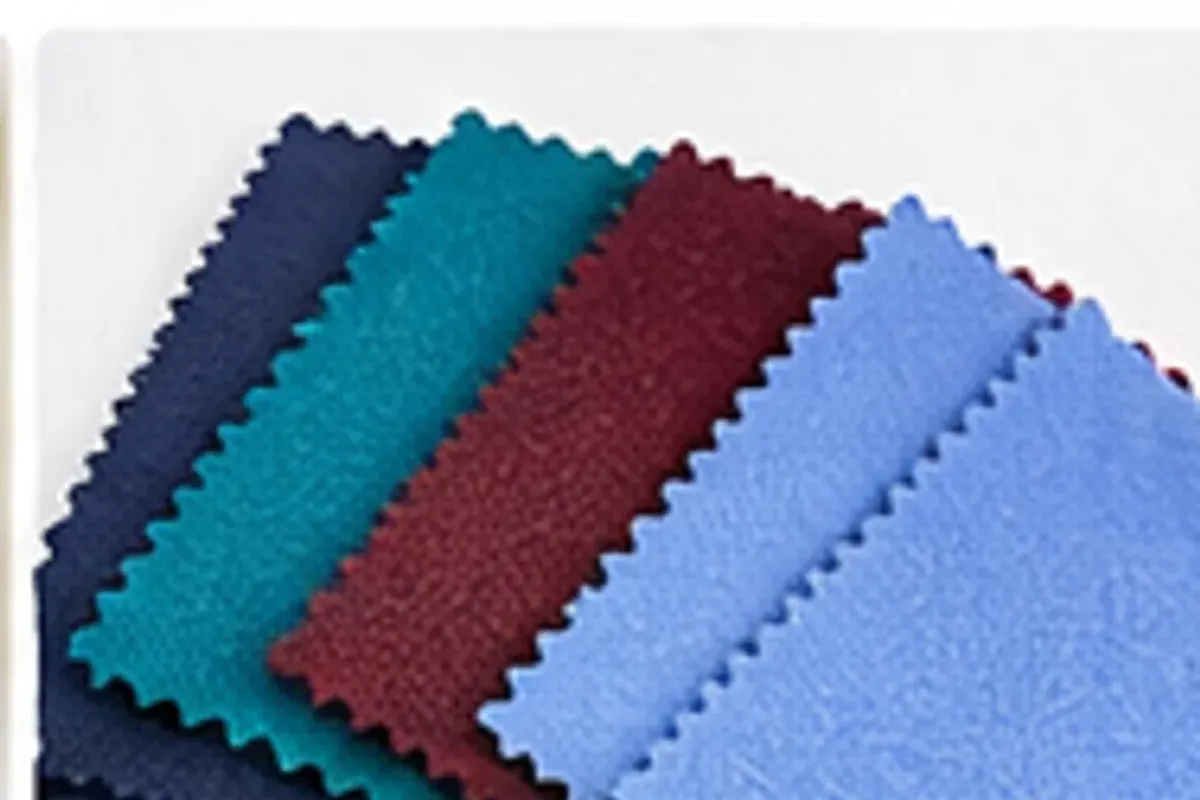
A school house colour system is the set of colours a school gives its houses, and the plan for which garments carry them. Most schools keep it to the PE or house T-shirt, but some extend it to sports polos, contrast collars, knitwear stripes or tracksuit piping. Every garment that changes by house multiplies the number of colours a school or shop must stock, so the system is as much a stock decision as a design one.
Where can house colours appear?
Think of the uniform as layers, and decide for each one whether it stays the same for everyone or changes by house.
| Garment | How the house colour shows | Stock effect |
|---|---|---|
| House T-shirt | Whole body in the house colour | One style, one colour per house |
| Sports polo | Body colour, or a contrast collar and cuff in the house colour | One style per house colour, or one body with several collar colours |
| PE shorts | Rarely changes; usually navy or black for all | No extra stock |
| Tracksuit top | Contrast piping in the house colour, if specified | Each piping colour is its own lot |
| Knitted jumper | A stripe at the neck and cuffs | Each stripe colour needs its own knitting run |
| Sweatshirt | House name or colour in the printed logo | Print changes only; body stays the same |
The cheapest and simplest place for house colours is a garment whose body changes colour but whose pattern stays the same, such as a T-shirt. Trims, stripes and piping add colour lots without adding much visible benefit on a sports field, where a teacher needs to see the whole shirt.
How many garments should carry the house colour?
A useful test: what problem does each house-coloured garment solve? On a sports day, staff need to tell teams apart at a distance. A full-colour T-shirt does that. A house stripe on a jumper cuff does not, but it can matter for school identity and pride.
For most schools, a sensible system looks like this:
- House T-shirt in the full house colour, worn for PE and house events.
- One neutral lower garment, such as navy shorts or track pants, shared by every house.
- Optional house marking on a second item, such as a printed house name on a sweatshirt or a contrast collar on a sports polo, only if the school wants it.
Going beyond that is possible, but every extra house-coloured garment means more reorders to coordinate and more partial stock when students change house or leave.
Planning stock for a house system
House-coloured stock does not move evenly. One house may be larger, and students moving schools mid-year can leave a shop short in one colour and over-stocked in another. A few habits help:
- Keep a simple sales record by house colour and size, separate from plain stock.
- Order house pieces with a small, planned buffer in the most common sizes rather than an even spread.
- Reorder all house colours together where possible, so shades stay consistent across the set.
- Keep plain, non-house garments in neutral colours that sell to every student.
The minimum for knitwear and sportswear is 100 pieces per style. The split of colours within an order is confirmed at quotation, which lets a school with one small house still order every colour in one run.
Approving the system as a set
House colours are matched to the school’s references and sent for approval together. Approving them as a set, laid side by side, is the only reliable way to check that a red house and an orange house will not be confused at a distance. Where house colours also appear on polos or tracksuit piping, those trims should be approved in the same session so every garment draws from the same set of shades.
Our page for schools and school groups explains how we handle approvals for whole-school orders. You can see the house T-shirts and shorts we make on the PE kit and sports uniforms page, and contrast-collar options on the school polo shirts page.
If you are setting up a house system or reviewing an old one, send us your house colours and the garments you would like them on, and we will quote the whole set.
Questions buyers ask
Is it worth putting house colours on knitwear?
Only if the school values it for identity, because knitted stripes add a separate colour lot for every house and do little to identify teams in sport. Many schools keep knitwear in school colours and limit house colours to sportswear.
What happens to house stock when a student changes house?
The student simply needs a new house T-shirt, and the old one goes back to stock or becomes a spare. Keeping house marking to one or two garments limits how much a family or shop has to replace.
Should every house have the same quantity on an order?
No. Order by the roll of each house, which is rarely equal. Tell us the expected numbers per house when you ask for a quotation, and the colour split is confirmed there.