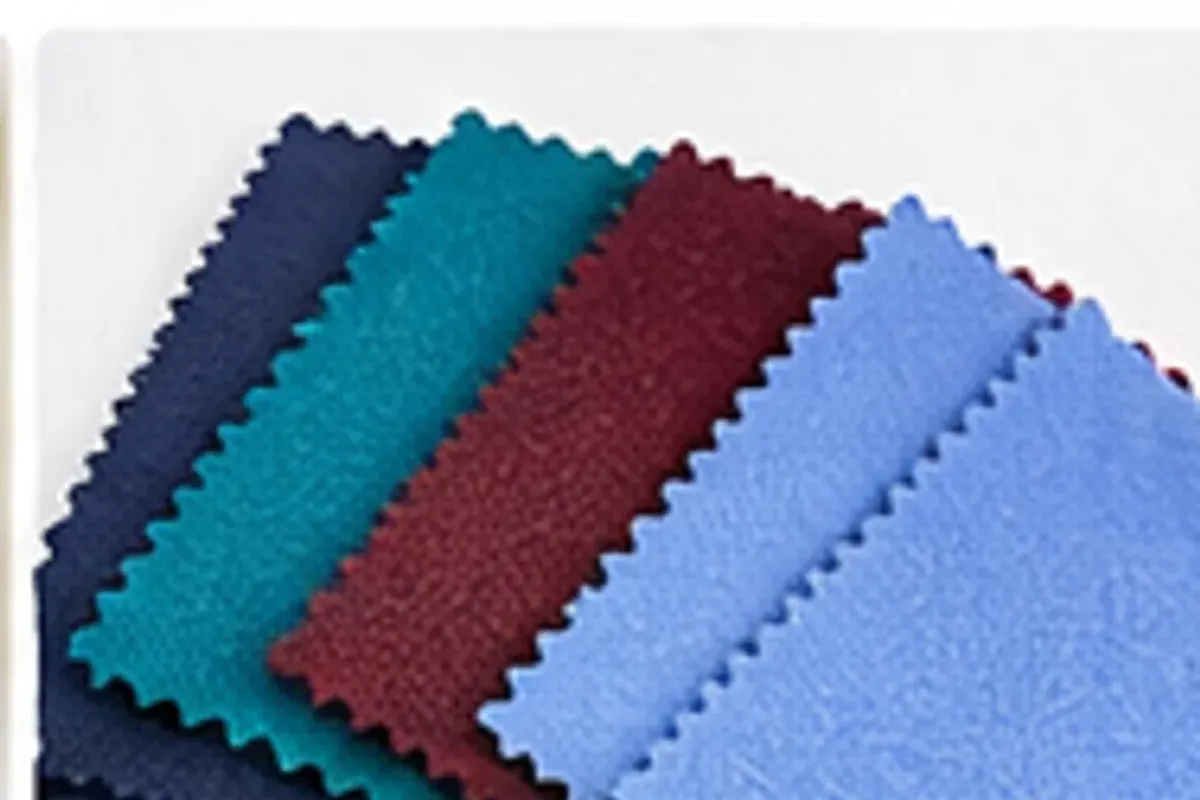
The uniform colours that hide dirt most effectively are mid to dark shades with some depth, such as charcoal grey, navy, bottle green and maroon, and patterns such as checks that break up marks. Very pale and very bright solids show dirt first, while flat black can show dust, chalk and lint. The fabric and its finish matter almost as much as the colour.
For a shop or school, a colour that hides wear means fewer complaints from families and fewer early replacements. It also makes second-hand and spare stock more usable.
Which marks do uniforms pick up?
Not all dirt looks the same. Different marks show on different colours, so it helps to think about which ones matter for each garment.
| Type of mark | Where it appears | Colours that hide it | Colours that show it |
|---|---|---|---|
| Food and drink | Shirt fronts, polos, dresses | Mid-tone checks, darker polos | White, pale yellow, pastels |
| Grass and mud | Knees, seats, hems | Charcoal, navy, bottle green | Light grey, beige, sky blue |
| Chalk and dust | Trouser legs, blazer sleeves | Mid grey, mid navy | Black, very dark navy |
| Paint and ink | Cuffs, chest, lap | Busy patterns, darker tones | Any pale solid |
| Shine and wear | Seats, elbows, knees | Mid-tone, textured weaves | Very dark smooth fabrics |
| Collar soiling | Shirt and polo collars | Pale blue, darker polos | White |
No colour hides everything. The aim is to choose the right colour for each garment’s job.
Matching colours to garments
Lower garments
Trousers, shorts, skirts and pinafores take the most punishment. Mid grey, charcoal and navy are the most forgiving. Pure black hides stains but can show chalk dust and pale lint, and a black skirt worn on a dusty playground may look grey by midday. A slightly lighter charcoal often looks cleaner for longer.
Shirts and polos
White is the traditional choice and the least forgiving. Pale blue hides collar marks better and still reads as a formal shirt. For polos, a mid-tone such as sky blue or a pale version of the school colour hides food spills far better than white.
Knitwear and sweatshirts
Darker jumpers and sweatshirts hide marks, but pilling and fluff show more on dark knits than mid-tone ones. Bottle green, maroon and royal blue sit in a useful middle ground.
Summer dresses
Gingham and stripes disguise marks well because the pattern breaks up the eye. A mid-tone gingham hides more than a very pale one.
The fabric matters too
Colour is only half of the answer. Fabric construction affects how marks show and how they wash out.
- Twill weaves, used for many trousers and skirts, have a diagonal texture that hides small marks better than a flat plain weave.
- Poly-viscose and polyester twill are both used for lower garments. Each is confirmed at quotation, and both hold colour through regular washing.
- Piqué knits on polo shirts have a textured surface that is more forgiving than flat jersey.
- Yarn-dyed checks carry the colour through the yarn, so wear shows less than on a printed pattern.
Our page on fabrics and colour matching lists the fabric options for each garment we make.
Where pale colours still make sense
Pale shirts and dresses are cooler in hot climates and look fresh in photographs. If a school wants them, pair them with forgiving lower garments, and make sure shops stock enough spares. Families of younger pupils will often buy more than one pale item per term.
When you are ready, send us your colour choices for each garment, and we will quote them, from school trousers and shorts to knitwear, per style by fabric, quantity and branding.
Questions buyers ask
Is black or navy better at hiding dirt?
Navy usually hides a wider range of marks. Black hides stains but shows dust, chalk and pale fluff clearly. A mid-to-dark navy or charcoal often looks cleaner through a full school day than pure black, especially on lower garments.
Do checks really hide stains better than plain colours?
Yes, in everyday wear. A check or gingham pattern breaks up the surface, so a small stain blends into the pattern rather than standing out on a plain background. This is one reason checks are common on younger pupils’ dresses and skirts.
Should we avoid white shirts altogether?
Not necessarily. White shirts are traditional and easy to match. If pupils are young or the school is concerned about marks, pale blue is a practical alternative that still looks formal and hides collar soiling better between washes.