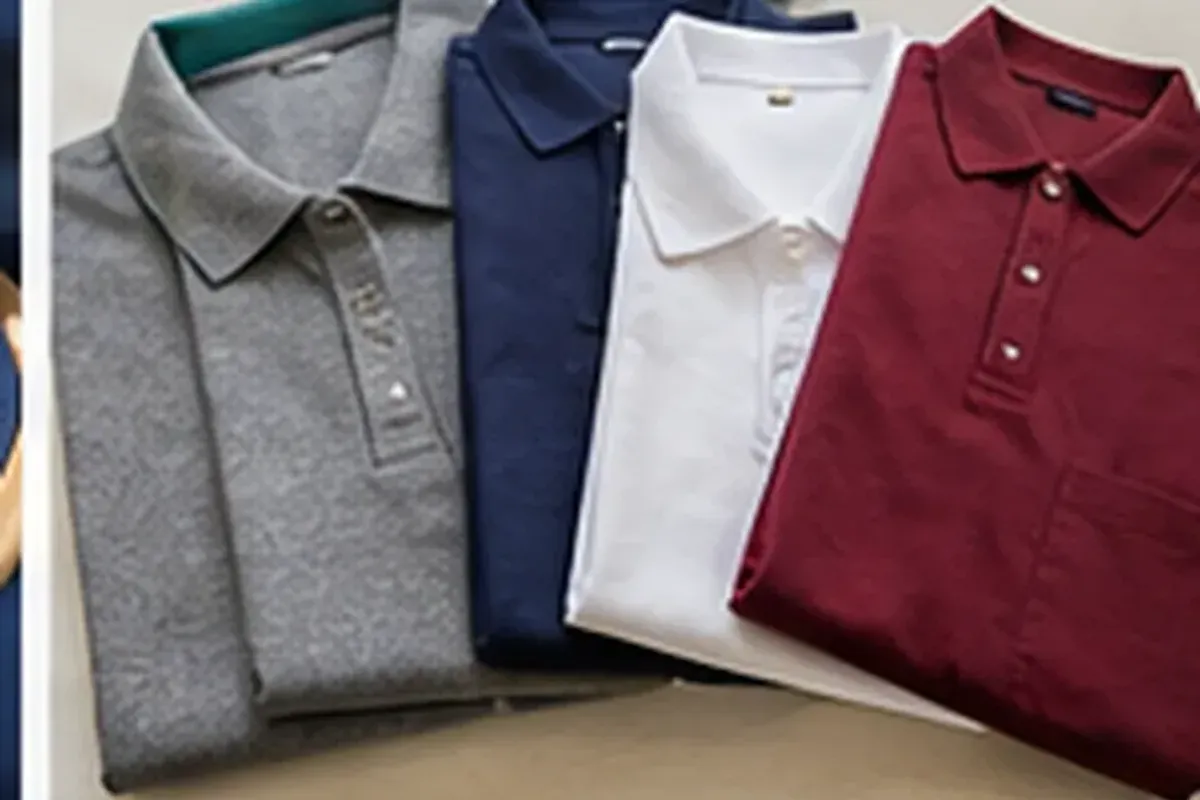
School uniform wholesale means buying ready-made garments from a wholesaler’s stock, usually in packs or cartons, in the colours and sizes the wholesaler carries. Buying direct from the maker means the garments are made to your order, in your colours, with your logo or label. Most uniform shops use both: wholesale for small, quick needs and direct ordering for the lines that define their range.
The choice is not about which route is better in general, but about which route suits each garment.
How do the two routes compare?
| Point | Wholesale stock | Direct from the manufacturer |
|---|---|---|
| What you get | Garments the wholesaler already holds | Garments made to your specification |
| Colours | Stock colours only | Your colours, matched to a reference |
| Branding | Plain, or the wholesaler’s label | Your logo, your own label |
| Quantity | Small packs | A minimum per style, sizes mixed |
| Timing | From stock | Made to order; lead time in the quotation |
| Sample | Choose from range | A sample made and approved by you |
| Repeat orders | Depends on what the wholesaler holds | Made to the same approved sample |
Wholesale stock is convenient and fast when it exists. Direct ordering gives control. A shop that sells only from wholesale stock looks much like every other shop doing the same.
When does wholesale make sense for a shop?
- Very small quantities. A few pieces of a rarely sold size or style.
- Emergency gaps, when a plain item sells out and you need something on the shelf this week.
- Testing demand for a plain item before you commit to a made-to-order style.
- Items outside garment manufacture, such as ties, socks or bags, which are sourced separately in any case.
When does buying direct make sense?
- School-branded garments. Logo jumpers, blazers with badges and logo polos can only come from a maker working to the school’s artwork.
- School colours that no stock range carries, such as a particular maroon or bottle green.
- Own-label basics that build your shop’s name with families.
- High-volume plain lines, where a consistent specification and the same shade every reorder matter more than speed.
- Garments where fit is a selling point, such as girls’ trousers or a skirt length your schools prefer.
Direct ordering has minimums: 50 pieces per style for woven garments and 100 for knitwear and sportswear, with sizes mixed. That is the main reason small or slow lines stay with wholesale.
How do you decide garment by garment?
Run each line in your range through four questions.
- Does it carry a logo or a school-specific colour? If yes, buy direct.
- Do you sell enough of it to reach the style minimum in a season? If yes, direct ordering is open to you.
- Does consistency between orders matter to your customers? If yes, direct ordering with an approved sample helps.
- Do you need it within days? If yes, wholesale is the only route for this order, though you may move the line to direct ordering next season.
PE kit shows the split well. A plain white PE T-shirt might be bought wholesale by a small shop. A house-colour T-shirt with the school logo has to be made to order.
Moving lines from wholesale to direct
Many shops start mostly wholesale and move lines over as volumes grow. Do it one or two styles at a time:
- Pick a plain line with steady sales and frequent reorders.
- Send a garment you sell now as the reference.
- Approve the sample against it, including the size chart.
- Order enough to cover a season, so you reach the minimum comfortably.
- Keep the wholesale source available for emergencies until the first direct delivery has sold well.
We manufacture in India and make every order to the buyer’s specification, for buyers in any country. The uniform shops and retailers page explains how shops order from us. Send us the lines you want to move to direct ordering, and we will quote each style.
Questions buyers ask
Is buying direct only for large uniform shops?
No. The minimum is per style, with sizes mixed, so a small shop can order one or two styles direct and keep the rest wholesale. Many shops start with a single logo garment for their main school.
Can a manufacturer supply plain stock the way a wholesaler does?
Not from the shelf. A manufacturer makes to order, so even plain garments are produced for you. The benefit is that they carry your label and match every later order.
Do wholesale and made-to-order garments look different on the shelf?
They can. Shades and fits vary between sources, so avoid mixing two sources for the same plain item on one shelf. Families notice when two grey skirts in one size do not match.