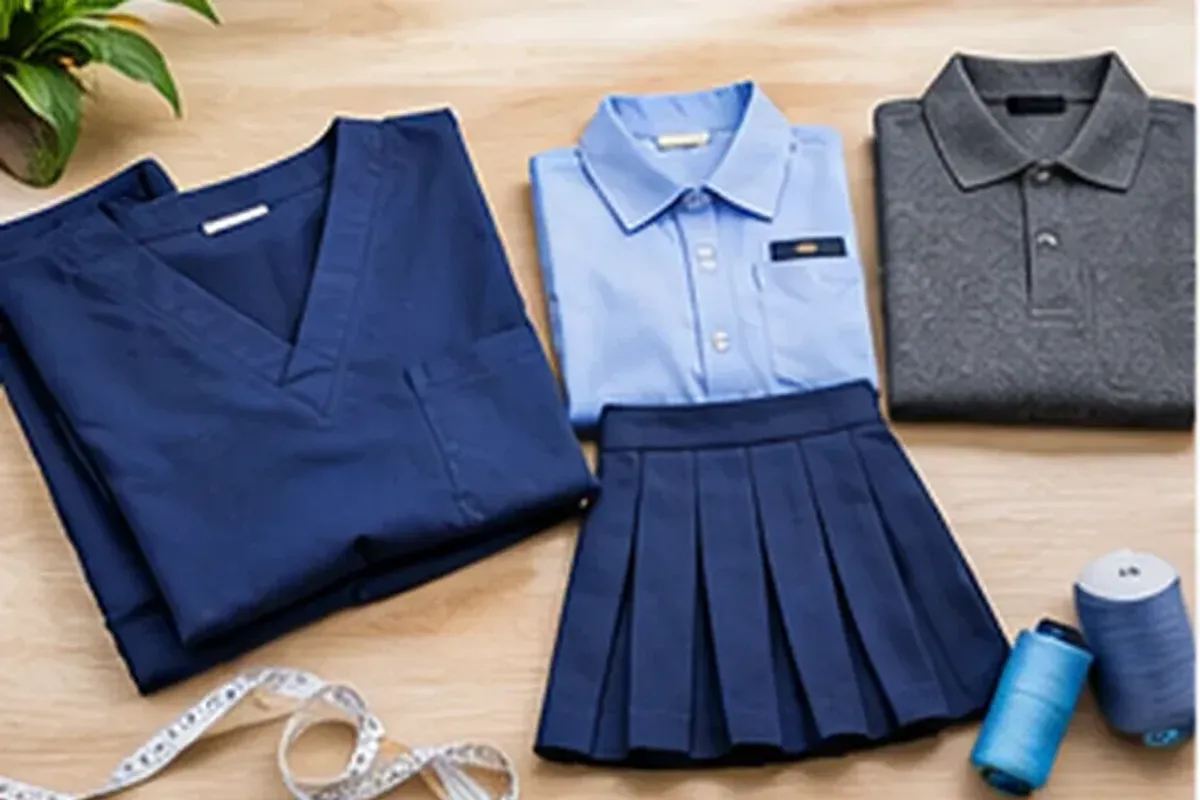
A school uniform list for new starters is the single page a family uses to buy everything before a child’s first day. It names every garment, says which are compulsory and which optional, suggests how many of each to buy, and tells families where each item comes from. When the list is clear, families buy the right things once. When it is vague, the school spends the first week of term chasing wrong colours and missing badges.
The list also shapes demand for the people who stock the uniform, so writing it well helps the school’s own ordering.
What should a new starter list contain?
Every line on the list answers four questions: what is it, is it required, how many, and where from. A simple table does this better than paragraphs.
| Item | Required? | Suggested number | Where to buy | Notes |
|---|---|---|---|---|
| Polo shirt, white, with badge | Yes | 3 to 5 | School supplier | Badged item |
| Sweatshirt, navy, with badge | Yes | 2 | School supplier | Badged item |
| Trousers or skirt, grey | Yes | 2 to 3 | Any shop | Plain; any style shown below |
| Summer dress, blue gingham | Optional | 2 | School supplier or any shop | Summer term only |
| PE T-shirt, house colour | Yes | 1 to 2 | School supplier | House given on joining |
| PE shorts, navy | Yes | 1 to 2 | Any shop | Plain |
| Fleece jacket, navy, with badge | Optional | 1 | School supplier | Instead of own coat |
The suggested numbers are a guide for families based on a typical washing cycle. Adapt them to your own school and climate.
Compulsory and optional: drawing the line
Each compulsory item adds to what a family must buy before day one. Keep the compulsory list to the garments a student wears every week. Seasonal items, outerwear and second options can be optional.
Mark clearly which items must carry the badge. Badged garments, such as a school sweatshirt or a PE top, can only come from the school’s chosen supplier. Plain items like grey trousers can be bought anywhere, which gives families choice.
Naming garments plainly
Use names families recognise and describe colours exactly. “Grey trousers” is clearer than “regulation lower garment”. If a style matters, say so: “grey pleated or A-line skirt, knee length”. If the colour is specific, give a shade name and show a photograph.
Items the school does not supply
New starter lists often include items the uniform supplier does not make, such as shoes, socks, bags, hats and ties. List them, with any colour or style rules, and say they can be bought anywhere. We make garments to a school’s specification; these extras are sourced separately.
How the list affects stock
Whoever stocks the uniform plans quantities partly from this list. If it suggests three to five polo shirts per child, stock must allow for that. Before you publish, check:
- Every badged item is on order in the full size range.
- Quantities assume the suggested numbers per child, multiplied by the intake.
- Optional items are stocked in smaller numbers, since not every family will buy them.
- A size guide or fitting session is offered alongside the list.
- The list and the stock describe garments in the same words.
A new school polo shirt on the list should be on the shelf in every size before the list reaches families. Lead time for an order is confirmed in the quotation, so plan the list and the order together. Our page for schools and school groups explains how we work to a school’s start date.
Sending the list
Include the list in the admissions pack and publish it on the school website. Send it early enough for families to spread purchases over a few weeks. Add a short note on second-hand or donated uniform if the school has a scheme, and a private contact for families who need help.
If you are preparing a list for a new intake and need the badged items made, send us the garments, colours and expected numbers, and we will quote each style.
Questions buyers ask
How many polo shirts should a new starter list suggest?
Many schools suggest three to five, so a child has a clean one each day with a spare while the others are washed. Fewer may be enough where families wash daily or garments dry quickly.
Should the list include prices?
Some schools include prices for badged items so families can budget. Others link to the shop. Either is fine, as long as families know where to find the price before they start buying.
Can a new starter list change each year?
It can, but frequent changes confuse families with older children. Keep the list stable and make changes with plenty of notice. When something does change, mark it clearly as new on that year’s list.