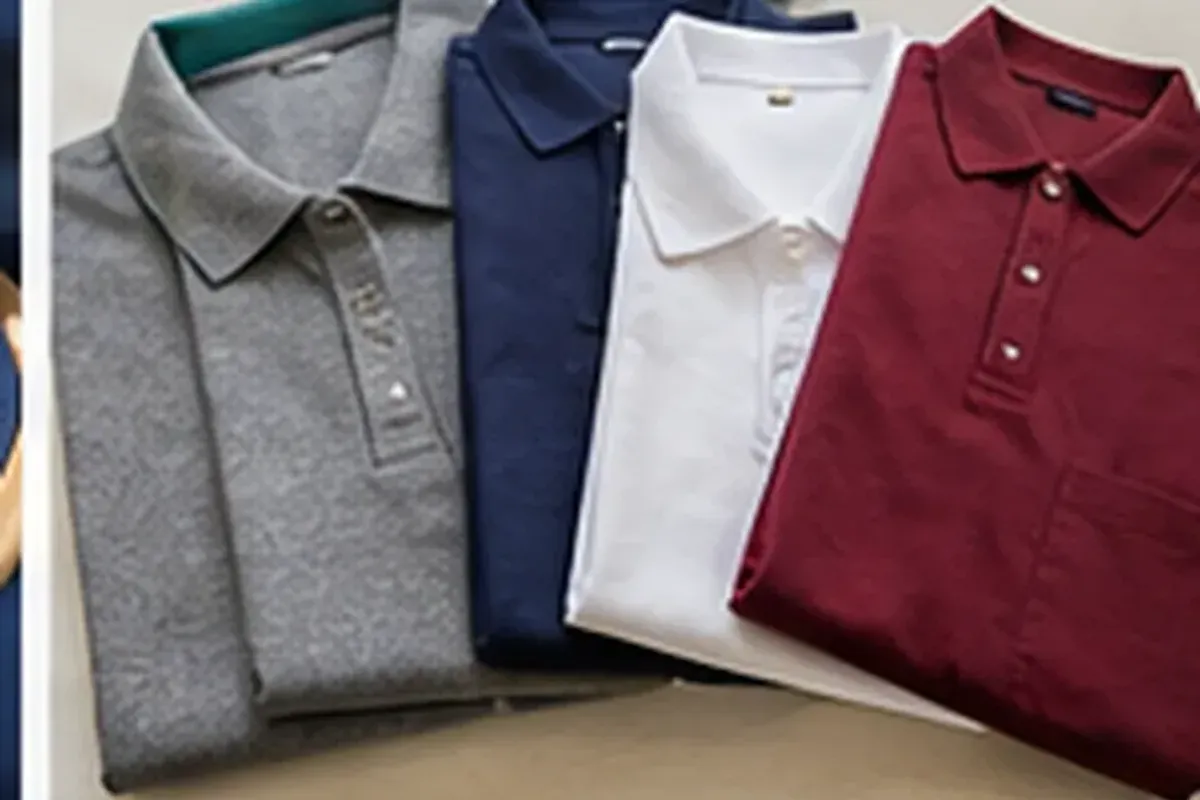
Adding garments to a uniform shop range goes smoothly one category at a time: confirm that several schools will list the garment, specify it once in a way that suits all of them, pilot it with one school, then extend. A new category brings new measurements, new construction details and new minimums, so treat it as a small project rather than an extra line on the next order.
Shops usually add a category because schools ask: a school brings in a tracksuit, an infant class adopts pinafores, or a new school wants blazers.
How do you know a new category is worth adding?
Before you specify anything, look at demand across all your schools, not just the one that asked.
- How many of your schools list the garment now?
- How many are likely to add it in the next year or two?
- Is it compulsory or optional on their lists?
- Is it school-branded, or could it be plain and shared?
- Do families currently buy it elsewhere, and would they switch?
- Will it reach the minimum per style in a season?
The minimum is per style, with sizes mixed: 50 pieces for woven garments and 100 for knitwear and sportswear. A category that only one small school wants may not reach it.
What does each category need specifying?
Each garment type brings its own decisions. Prepare them before the quotation request.
| New category | Main decisions | Our styles to start from |
|---|---|---|
| Tracksuits and jackets | Fabric, contrast panels or piping, logo, size range | Tracksuit top, tracksuit bottoms, fleece jacket |
| Pinafores and tunics | Style, pleats, fastening, length by age | Bib, pleated or zip-front pinafore, tunic |
| Blazers | Lining as specified, trim, badge, pockets, chest sizing | Boys’ and girls’ blazer, braided trim, badge pocket |
| Summer dresses | Gingham or stripe, colour, front fastening, length | Gingham, striped, button-front, zip-front |
| Knitted jumpers and cardigans | Yarn, neck, trim stripes, logo | V-neck jumper, cardigan, slipover |
| Nursery uniforms | Fastenings as specified, ease of dressing, fabric | Smock, shirt-and-shorts set, pinafore set |
Tracksuit tops are full zip, with contrast panels or piping if specified. Blazers are lined or half-lined, as specified. Confirm these choices with the schools before quotation.
How do you specify one version for several schools?
If the new category is plain, a single specification serves every school. If it is branded, the base garment can still be the same, with colour and logo changing per school.
- Collect each school’s requirements for the garment.
- Find a base style that meets all of them, such as one pinafore cut with the same pleats.
- Vary only what must change: colour and logo per school.
- Approve one sample of the base style first, then a sample per school colour if needed.
Each colour or logo version is a separate style for the minimum, so a base style shared across schools helps where volumes are small.
Piloting the new line
Start with the school that asked, and treat the first season as a test.
- Order one style in the main colour, weighted to the sizes that school needs.
- Track sales by size, returns and comments from families.
- Ask the school how the garment looked and wore after a term.
- Adjust the specification if needed, then offer it to the other schools.
A pilot also teaches your staff about the new garment: how it is sized, how it should be folded, and how to answer families’ questions about fit.
Telling schools about the new category
Once the pilot works, show the garment to your other schools. A school considering a new item is more likely to choose a supplier that already makes it and can show a finished sample. Our page for uniform shops and retailers explains how we make garments to a shop’s specification. Send us the new category and the schools you expect to supply, and we will quote the base style and each school’s version.
Questions buyers ask
Should a shop add a category that only one school wants?
Only if that school’s volume reaches the minimum per style, or if other schools are likely to follow. Otherwise, it can tie up stock for a long time. Ask the school about expected numbers before committing.
Do we need new size charts for a new category?
Yes. Each garment type has its own measurements: blazers by chest, trousers by waist and leg, dresses by length. Approve a size chart with the first sample and keep it with the style record.
How long should a pilot run before rolling out?
At least one full term of wear, so families and the school can judge how the garment holds up. A pilot that only covers the first week of sales tells you about demand but not about quality.