A school uniform checklist for administrators covers four stages: agreeing what the uniform is, choosing who makes it, approving samples, and receiving and recording the delivery. Work through them in that order and most late or wrong uniform orders are avoided, because each stage depends on the one before it being finished.
This guide is written for bursars, business managers, office staff and anyone in a school or school group who has been handed the uniform file. It assumes the school buys in bulk, either for its own counter or to issue to students, rather than leaving families to buy from a shop.
What does the school uniform procurement process look like?
The school uniform procurement process is the same whether you order shirts and pinafores for one primary school or blazers, polos and PE kit for a group. The table sets out each stage, who usually owns it in a school, and what it produces.
| Stage | Usual owner in school | What it produces |
|---|---|---|
| 1. Agree the uniform list | Head and governors, or a uniform group | A list of garments, colours and which are compulsory |
| 2. Write the specification | Administrator or uniform coordinator | One sheet per garment: fabric, colour, logo, size range |
| 3. Count quantities | Administrator, using roll numbers | A quantity per size for each style |
| 4. Ask for quotations | Administrator or bursar | Written quotations per style |
| 5. Choose a manufacturer | Bursar or business manager, with the head | A decision note and an order confirmation |
| 6. Approve samples | Head or uniform group, with the administrator | Signed approval for each style |
| 7. Pay the advance and track production | Finance office | Payment record and a dispatch date |
| 8. Receive, check and record | Administrator | A delivery check sheet and stock record |
Stages 1 and 2 take longer than most schools expect. A uniform list that is still being argued about when quotations arrive will cause delays later, because every change after a sample has been approved means another sample.
The administrator’s checklist, stage by stage
Tick each line before moving to the next stage.
Before asking for quotations
- The uniform list is agreed in writing, with compulsory and optional garments marked
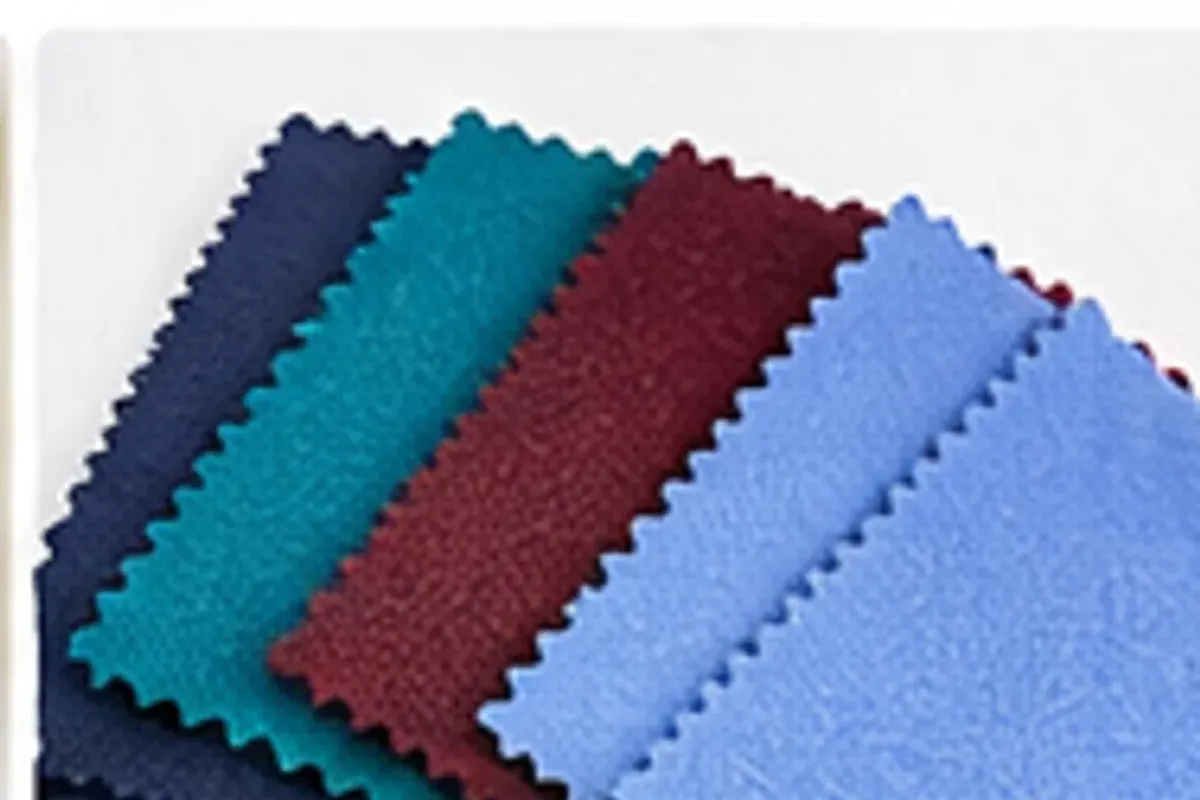
- Each garment has a colour reference: a current garment, a fabric swatch or a named shade
- Logo artwork is available as a clean file, and its position on each garment is decided
- The size range for each garment is set, from the youngest year group to senior sizes
- Quantities are counted per size, from the roll and a margin for new joiners
- The date the uniform must be in school is fixed, with term start written beside it
Before placing the order
- At least two written quotations, each covering every style on the list
- Each quotation states fabric, branding method, packing and shipping method
- The sample terms and the payment terms are understood by the finance office
- One person in school is named as the contact for the manufacturer
Before bulk production starts
- A sample of every style has been checked for colour, fit, logo and labels
- Any change requested on the sample is confirmed in writing
- The approval is signed and dated, and a copy is filed
On delivery
- Carton count matches the packing list
- A sample of each style is checked against the approved sample
- Quantities per size are counted and recorded before anything is issued or sold
Questions to ask a school uniform vendor
The questions to ask a school uniform vendor fall into three groups. Put them in your enquiry so the answers come back in writing with the quotation.
- About the garments. Which fabrics do you offer for each garment? Can you match our current colour from a garment we send? How is the logo applied, and where is its position confirmed?
- About the order. What is the minimum per style, and can sizes be mixed within it? What counts as a separate style? Will you make a sample of each style before production?
- About delivery and payment. When is the lead time confirmed? What are the payment stages? Which shipping methods and documents are offered for our country?
For reference, we manufacture in India and work to a fixed order of steps: enquiry, quotation, sample, advance payment, production, quality check and dispatch. Our minimum for woven garments such as shirts, skirts and blazers is 50 pieces per style, and 100 for knitwear and sportswear such as polo shirts, jumpers and PE kit, with sizes mixed. Any vendor you ask should be able to give you equally plain answers.
What should a school keep on file after each order?
Keep one folder per order, paper or digital, with the specification sheets, every quotation received, the order confirmation, the signed sample approvals, payment records, the packing list and your delivery check. When the next order comes round, the person doing it can start from the approved samples rather than from memory. This matters most when the administrator changes, which in schools happens often.
A short note on what went well and what did not is worth adding too. If the 9–10 size ran out in the second week of term, write it down now.
If your school is preparing its next uniform order, our page for schools and school groups explains how we quote, and you can see the garments we make, starting with school blazers. Send us your uniform list and quantities and we will reply with a quotation per style, by fabric, quantity and branding.
Questions buyers ask
How early should a school start its uniform order?
Start from the date the uniform must be in school and work backwards. Allow time for agreeing the list, quotations, samples, approval and payment before production, then add the lead time confirmed in the quotation and the shipping time. Schools that start in the previous term rarely regret it.
Who in a school should approve uniform samples?
Usually the person who agreed the uniform list, often the head or a uniform group, approves the look, while the administrator checks the sample against the written specification. One signed approval per style keeps the record clear and avoids disputes about what was agreed later.
Can a small school meet a manufacturer’s minimum order?
Often yes, because sizes can be mixed within a style. A small primary school ordering one shirt style and one jumper style can split each minimum across its full size range. Problems arise only when a rarely worn garment, in one colour, falls short on its own.