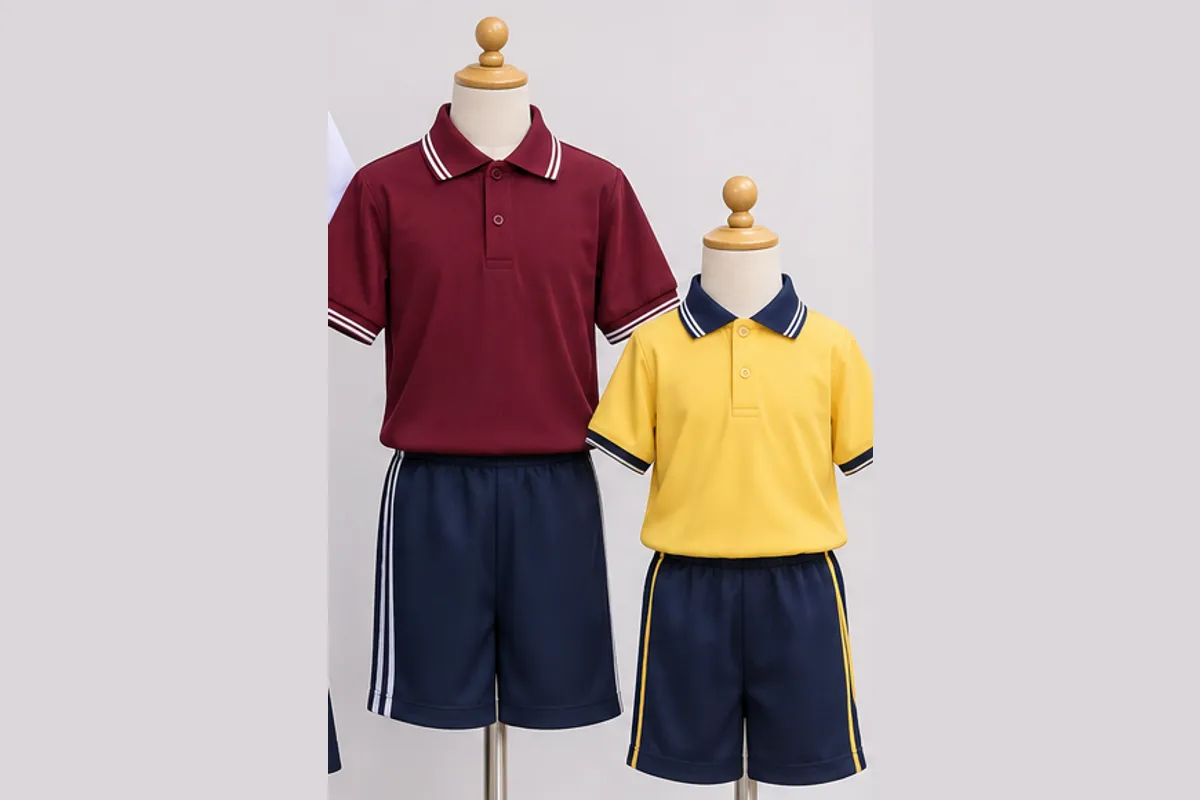
New intake PE kit should be planned from the admissions figure for the incoming year group, sized one band either side of their typical age, and delivered before the induction or uniform-fitting days. Hold a reserve for late places, and if house T-shirts are part of the kit, plan around when the school allocates houses.
The intake is the most predictable PE kit sale of the year and also the easiest to get wrong. The number of new students is known months in advance, yet shops still run out of the smallest sizes in the first week, often because the intake order was placed alongside everything else and arrived too late.
How many new students to plan for
Start with the number of places offered, not the number of students expected to stay. Families buy PE kit as soon as they accept a place. Then adjust for the school’s own patterns.
| Source of the figure | When it is known | How reliable |
|---|---|---|
| Published number of places | Well before the year starts | Good starting point |
| Places accepted | A few months before the start | Better |
| Induction day attendance | Weeks before the start | Close to final |
| Late places and transfers | Through the first term | Add as a reserve |
Use the earliest figure to plan the order, then use the later ones to fine-tune the reserve. Waiting for the final count usually means waiting too long.
Which sizes does an intake need?
An intake is the youngest group in the school, but not all of one size. A reception or first-grade class can span a full year of birthdays and a wide range of heights. A secondary intake spans even more.
Here is a starting example of how an intake might split by size. Adjust it to your own school’s records.
| Intake type | Smaller size | Core size | Larger size |
|---|---|---|---|
| Primary entry, age 4–5 | 3–4, small share | 5–6, most of the intake | 7–8, small share |
| Junior entry, age 7 | 5–6, small share | 7–8, most of the intake | 9–10, moderate share |
| Secondary entry, age 11 | 9–10, small share | 11–12, large share | 13–14 and S, moderate share |
Families of new starters often buy a size up to allow for growth during the first year. The larger column is usually busier than the smaller one, especially for PE T-shirts.
House T-shirts and the intake
House allocation can be the hard part. Some schools allocate houses before students arrive; others do it in the first weeks. That decides how you plan:
- Houses allocated in advance. Order house T-shirts for the intake as part of the main order, split by house from the allocation list.
- Houses allocated after arrival. Hold intake sizes in every house colour, split evenly, and adjust the reserve once the lists settle.
- Houses allocated by family. Siblings join an existing house, which can tilt the intake towards one colour. Ask the school for last year’s pattern.
Timing the intake order
Many schools hold a uniform-fitting or induction day before the year starts. That day is when most intake PE kit is sold or issued. Work backwards from it:
- Confirm the number of places and the size range
- Confirm house allocation timing with the school
- Place the order early enough to allow for quotation, sample approval and production
- Plan the delivery date for at least a few weeks before the fitting day
- Keep a reserve of the core intake size for late places
- After the first half term, record what sold and what remained
Lead time is confirmed in the quotation. If the intake order is placed alongside a full-school reorder, ask for the intake sizes to be packed and marked separately so they can be found at once. Our uniform shops and retailers page covers how shops plan for school-year peaks like this.
We manufacture PE kit in India for schools, shops and suppliers planning intakes every year. Send us your intake numbers, the sizes you expect and any house details, and we will prepare a quotation for PE kit and sports uniforms, quoted per style, by fabric, quantity and branding.
Questions buyers ask
Should intake PE kit be ordered separately from the rest of the school?
It can share one order with the rest of the school, but plan its quantities on their own. Packing intake sizes separately makes the fitting day easier and stops intake stock being sold to older students first.
What if the intake is smaller than the minimum order?
Our minimum of 100 pieces is per style, with sizes mixed freely. Intake sizes usually sit inside a full-school order for the same style, so a small intake rarely needs to reach the minimum on its own.
How large a reserve should we keep for late places?
Base it on how many students joined after the start of last year. A small reserve in the core intake size, plus one or two of the larger size, covers most late places without leaving much unsold stock.