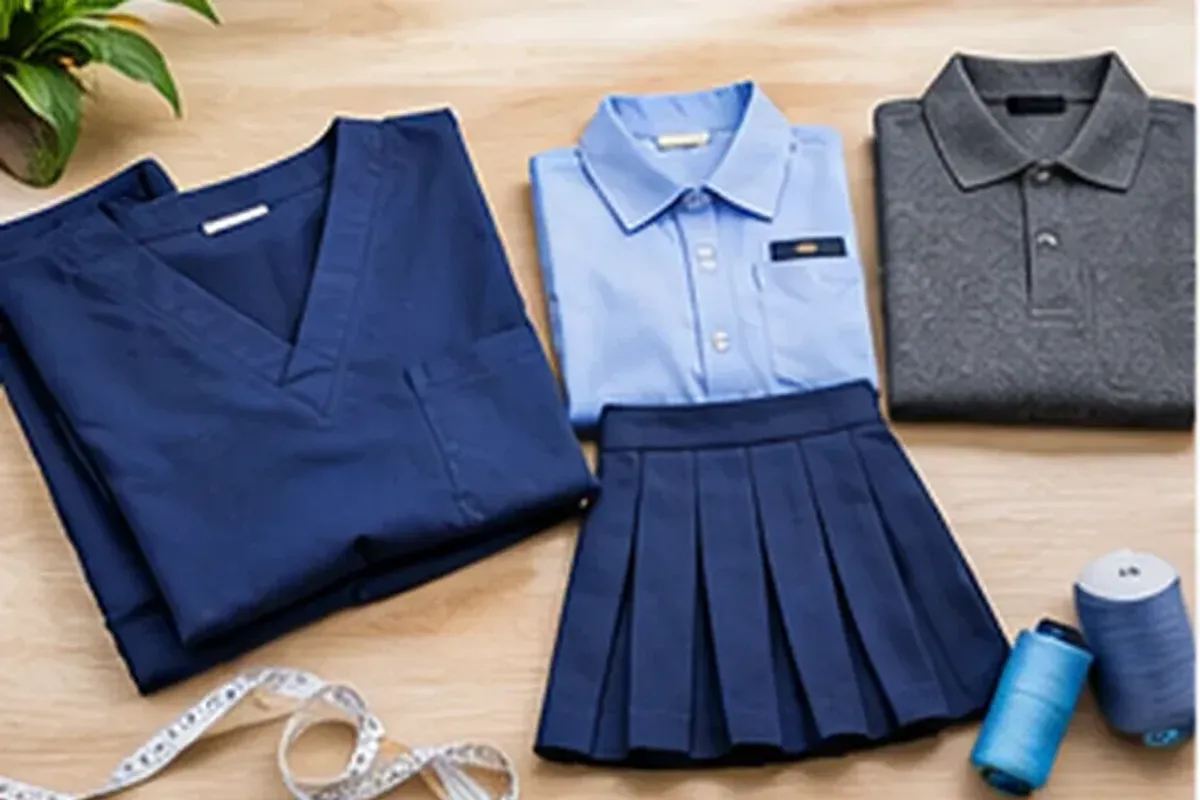
A good uniform shop and school relationship rests on a few practical routines: one review meeting a year before the shop orders, a clear understanding of how much notice each kind of list change needs, intake numbers shared early, and one named person at the school who signs off samples. These routines let the shop buy the right stock and let the school change its uniform without stranding anyone.
Most friction between shops and schools comes from timing. The school decides something in the summer term; the shop’s order for September went out months before.
What should the annual review meeting cover?
Hold it before your quotation request goes out, so its decisions reach your order.
- Any changes to the uniform list, compulsory or optional
- Intake numbers for the youngest year, and any change in year group sizes
- Feedback from families on fit, wear and availability
- Sell-outs and surplus from last season
- Any new items the school is considering for future years
- Sample sign-off: who approves, and how quickly
- Dates for any pop-up sales or new-parent events
- Any change to the school’s logo or colours
Write up the decisions and send them to the school. A short note avoids “we thought we’d agreed” conversations later.
How much notice does each change need?
Explain to schools that uniform is made to order, so a change takes time to reach the shelf. Lead times are confirmed per quotation, so share your own planning dates rather than general rules.
| Change the school wants | What the shop has to do | Notice to ask for |
|---|---|---|
| New optional item | Specify, sample, order a first batch | Before your next main order |
| New compulsory item | Same, with deeper stock | Well before your next main order, with a launch date agreed |
| Colour change | New colour references, new samples, sell-through of old stock | A full buying cycle or more |
| Logo change | New artwork, new samples on every branded item | A full buying cycle, with a transition period |
| Drop an item | Stop reordering, sell through | Before your next main order |
| Length or fit rule change | Revise the specification, new sample | Before your next main order |
A transition period, where old and new versions are both accepted, makes any change easier on families and on shop stock. Ask the school to build one into every change.
What should flow from school to shop, and back?
From the school: intake numbers, list changes, logo files, event dates, and feedback from families. Ask for intake numbers as early as the school has them; even a rough figure helps.
From the shop: sell-out and surplus patterns, common fit complaints, any delays, and suggestions such as a plain alternative for a slow item. Schools rarely see sales data, and it helps them make better decisions about the list.
Seasonal garments need special care. If the school plans to change its summer dress or its PE kit, those garments are usually ordered for a specific season, so the notice has to reach you before that season’s order.
Who signs off samples?
One named person, with a deputy. Agree it in writing at the start of the year. Send branded samples with a short note of what to check and a date you need a reply by. If the reply does not come, follow up before the date slips, and explain what the delay means for delivery.
When there is a disagreement
Disagreements are usually about availability or quality. Deal with both using records: what was ordered, when, what sold, what was returned and why. A calm conversation built on records is easier than one built on impressions. If a fault is the cause, explain what you are doing with the maker to put it right.
Our page for schools and school groups shows what schools need to provide for a uniform order. If you are planning next year’s range with your schools, send us the agreed list changes and we will quote the styles affected.
Questions buyers ask
Should a uniform shop have a written agreement with each school?
Many shops do, covering what the shop stocks, how changes are notified and how disputes are handled. The content is for the shop and school to agree, and any contract terms are for your own adviser to check.
What if a school changes its uniform without telling the shop?
Raise it promptly and calmly, explaining the stock you hold and the time a new item takes. Ask for a transition period so existing stock can be sold, and use the experience to agree a notice routine.
How can a shop help a school keep uniform affordable?
Share which items are slow or costly to stock, suggest plain shared alternatives where a logo adds little, and offer data on what families actually buy. The school makes the decision; the shop’s information helps it decide well.