The right moment to reorder school uniform stock is when the quantity left in a size would only just last through the time it takes a new order to arrive. Wait until a size is empty and you will be out of stock for the whole lead time. Reorder at a set level instead, called a reorder point, and the new delivery lands before the shelf runs dry.
This post explains how to set that level for each garment, which calendar moments should prompt a review, and how to group reorders so they meet the minimum.
What is a reorder point?
A reorder point is the stock level that tells you to place an order. It is worked out from two numbers: how fast a size sells, and how long a new order takes from enquiry to your shelf.
In plain terms:
Reorder point = expected sales during the lead time + a buffer for surprises
If a size sells steadily and the full journey from quotation to delivery takes a known number of weeks, multiply weekly sales by those weeks and add a buffer. When stock falls to that number, reorder.
For a repeat order the sample is already approved, so the time is mainly production, quality check and shipping. Lead time is confirmed in each quotation, and it is worth asking for it again for every reorder rather than assuming last year’s figure.
Reorder points differ by garment
Garments sell at different speeds and in different seasons, so one reorder rule for the whole uniform does not work. The table gives a starting view to adjust against your own sales records.
| Garment group | Selling pattern | When to review stock | Reorder tendency |
|---|---|---|---|
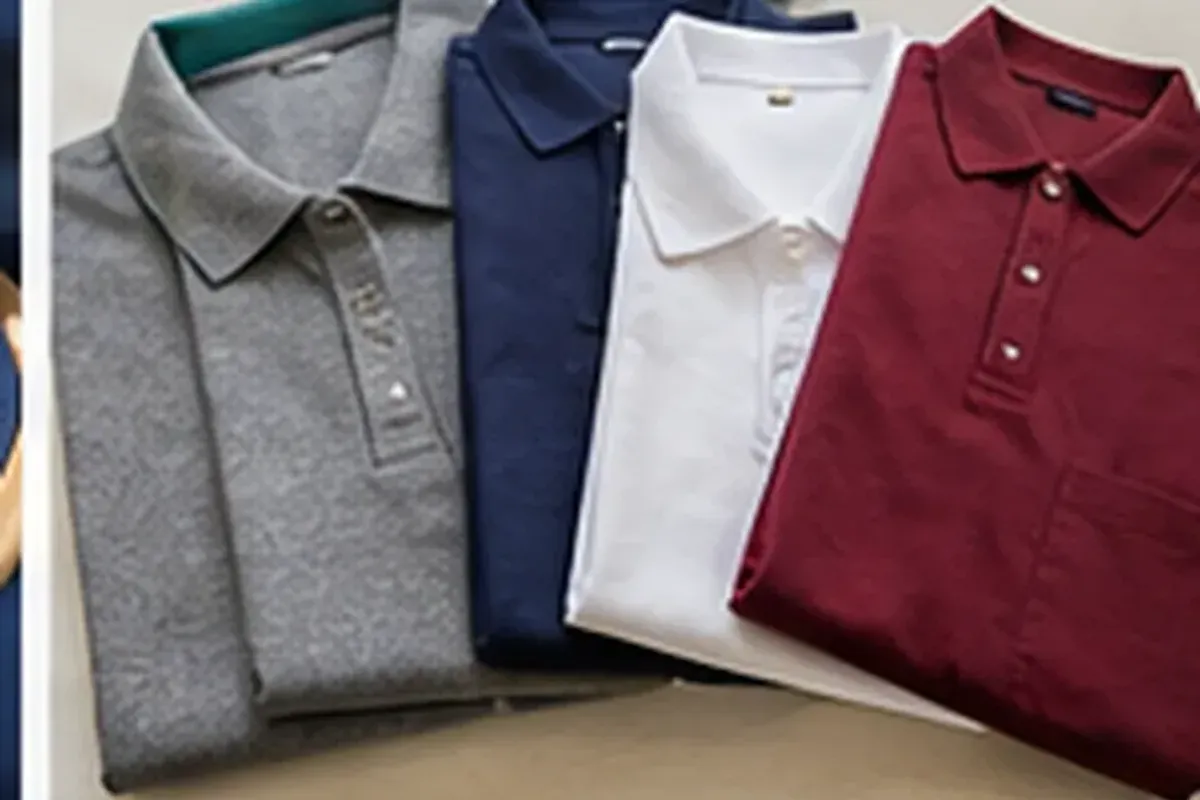
| Shirts, blouses, polo shirts | Fast and steady all year | Every few weeks during term | Small, frequent top-ups of core sizes |
| Trousers, skirts, shorts | Steady, with a growth bump mid-year | At each half-term | Size-up stock for the spring term |
| Jumpers, cardigans, sweatshirts | Seasonal, rising before winter | Before the cold months | One planned winter reorder |
| Blazers | Slow, concentrated at the start of the year | After the first rush | Rare; cover the sizes that ran out |
| PE kit and tracksuits | Bursts around sports seasons | Before sports days and new terms | Timed to events and seasons |
| Summer dresses | Seasonal, warm terms only | Before the warm season | One reorder at most |
A fast line like polo shirts may need a reorder point set high, because it can empty quickly. A slow line like blazers can run lower, but its lead time still has to be covered.
Calendar moments that should prompt a review
Even with reorder points, some dates deserve a full stock check across every garment:
- Two to three weeks after the start of the school year. The first rush is over, and you can see which sizes the families actually needed.
- Mid-autumn. Knitwear and outerwear demand rises, and lost-item replacements begin.
- End of the first term. Plan the stock that must arrive before the next term opens.
- Mid-year. Growth replacements for trousers, skirts and blazers peak.
- Before summer. Order summer dresses and shorts, and decide what to carry into the next year.
- When the school sends next year’s intake numbers. This is the start of the next opening order.
Countries with different school calendars shift these dates. In the UK the year starts in September, while in Australia it starts in late January or early February. The sequence stays the same; only the months move.
Grouping reorders to meet the minimum
A reorder for one size of one garment is rarely large enough on its own. The minimum applies per style, with sizes mixed: 50 pieces for woven garments and 100 for knitwear and sportswear. Group the sizes of one style that are near their reorder points into a single order, and add sizes that will reach the point soon.
It also helps to line up reorders across garments, so several styles travel in one shipment. Ask about the shipping method and documents in the quotation; our shipping and documents page explains what is confirmed there.
If your reorder points are set and you want a quotation for repeat stock, send us the styles, sizes and the date you need them. For a fast-moving line, start with our school shirts and blouses.
Questions buyers ask
How often should a uniform shop check its stock levels?
During busy periods, weekly for fast lines such as shirts and polos, and at each half-term for slower garments. A short weekly count of the middle sizes catches most problems, because those are the sizes that empty first.
What buffer should be added to a reorder point?
Size the buffer to how much demand can jump and how certain the lead time is. Fast, unpredictable lines such as white shirts need a larger buffer than slow, steady ones such as blazers, where a short gap affects few customers.
Can a reorder mix sizes that are low with sizes that are fine?
Yes. Sizes can be mixed within a style, so a reorder can lean heavily on the sizes below their reorder points while adding a few pieces of sizes that are close, which helps the style reach its minimum.