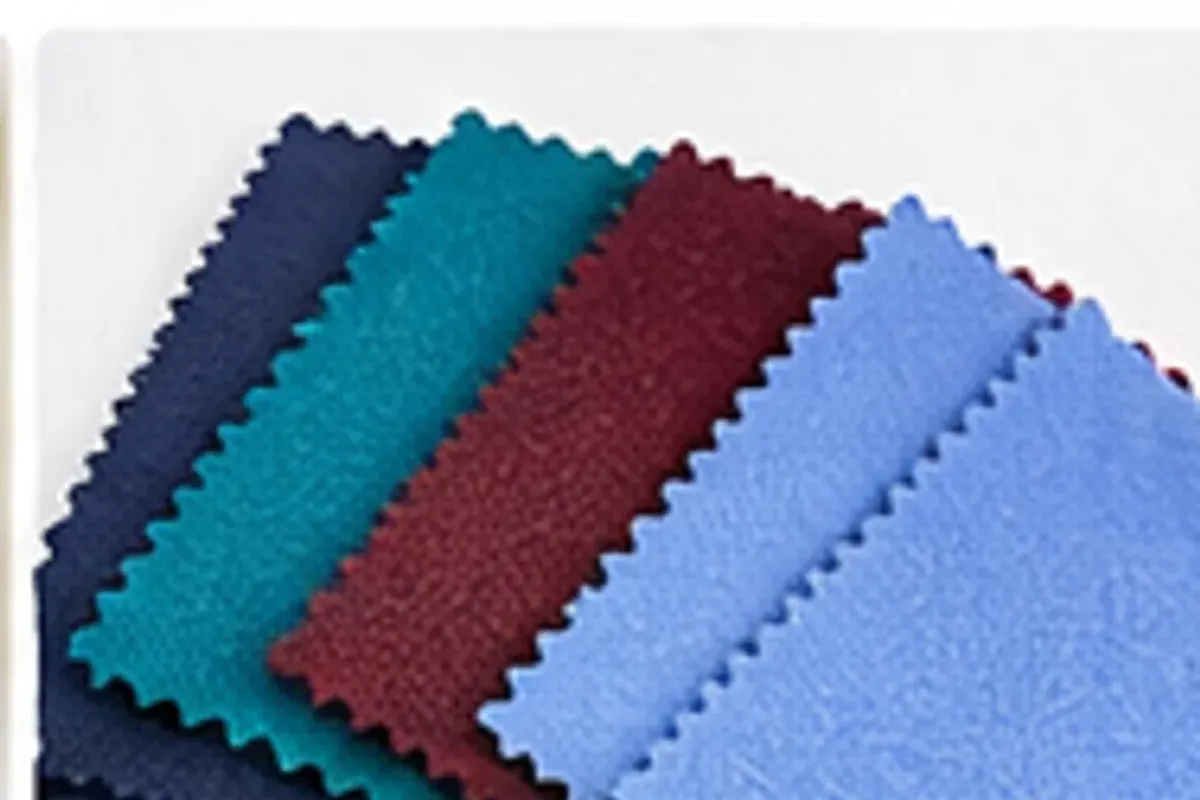
A uniform order colour split is the breakdown of a bulk order by colour within each garment style, for example how many navy and how many grey trousers, or how many polos in each school’s colour. Plan it from past sales or pupil numbers, keep the number of colours per style small, and confirm the split at quotation so each colour has enough quantity to be produced well.
The size split gets most of the attention in uniform buying. The colour split matters just as much when a shop serves several schools, or when one uniform offers garments in more than one colour.
When does an order need a colour split?
Not every order does. You need a colour split when:
- A shop or supplier serves several schools with the same garment in different colours, such as polos or sweatshirts.
- A uniform offers colour choices, such as grey or navy trousers, or a choice of shirt colours by year group.
- A school is changing colour and needs some old-colour and some new-colour stock.
- A nursery group orders one set specification in a different colour for each site.
Building the split from your data
The most reliable split comes from your own figures. Use the table below as a starting example and adjust it against your own sales or roll data.
| Style | Colour | Basis for quantity | Example share of the style |
|---|---|---|---|
| Polo shirt | White | Pupils at schools using white | Majority share |
| Polo shirt | Sky blue | Pupils at schools using sky blue | Smaller share |
| Sweatshirt | Navy | Last year’s navy sales | Largest share |
| Sweatshirt | Bottle green | Last year’s green sales | Middle share |
| Sweatshirt | Maroon | Last year’s maroon sales | Smallest share |
| Trousers | Grey | Roll numbers wearing trousers | Main share |
| Trousers | Navy | Roll numbers at navy schools | Remaining share |
Write the split as quantities per colour and per size, not just percentages. A colour that sells only in a few sizes should be ordered only in those sizes.
How the minimum order affects the split
Each style has its own minimum: 50 pieces per style for woven garments and 100 pieces per style for knitwear. Sizes can be mixed within a style, and the colour split is confirmed at quotation. A small quantity in one colour may need a conversation about how it fits the order, so tell us your split early.
Some practical ways to keep the split workable:
- Combine orders. A supplier with several schools in the same colour can order them together.
- Use shared neutrals. If two schools both use grey trousers, one grey line serves both.
- Hold back rare colours. Order a colour with low demand less often, but in a slightly larger quantity each time.
- Plan by season. Knitwear colours can be ordered for winter and polo colours for summer.
Our page on minimum order and samples explains how minimums, sizes and samples work together.
Avoiding the common mistakes
- Every colour in the split has a fixed reference, approved on a sample
- The split is based on real sales or roll numbers, not equal shares
- Sizes are planned separately for each colour
- Colours with very low demand are reviewed before ordering
- Packing is agreed by colour and size, so cartons are easy to receive
We pack by size, colour or school, as agreed in the quotation, so each colour arrives ready to shelve.
Getting the split quoted
Send us each style with its colours and quantities by size, along with a reference for each colour. We will quote every style per style by fabric, quantity and branding, and confirm the colour split before production. Our school polo shirts and school sweatshirts and hoodies are the styles most often ordered in several colours at once.
Questions buyers ask
Can one polo style be ordered in several school colours?
Yes. The colour split is confirmed at quotation. Each colour is matched to its own reference and approved on a sample. Tell us the quantity for each colour early, because a very small quantity in one colour may need discussing.
Should every colour have the same size ratio?
Not necessarily. Each school or colour may have a different age profile. A primary school’s colour will need more small sizes, while a secondary school’s colour will need more large ones. Plan sizes separately for each colour.
How should a colour split be packed?
Packing by colour, then by size, makes receiving and shelving easier for shops serving several schools. Packing by school is useful when one carton goes straight to one school. The packing method is agreed in the quotation.