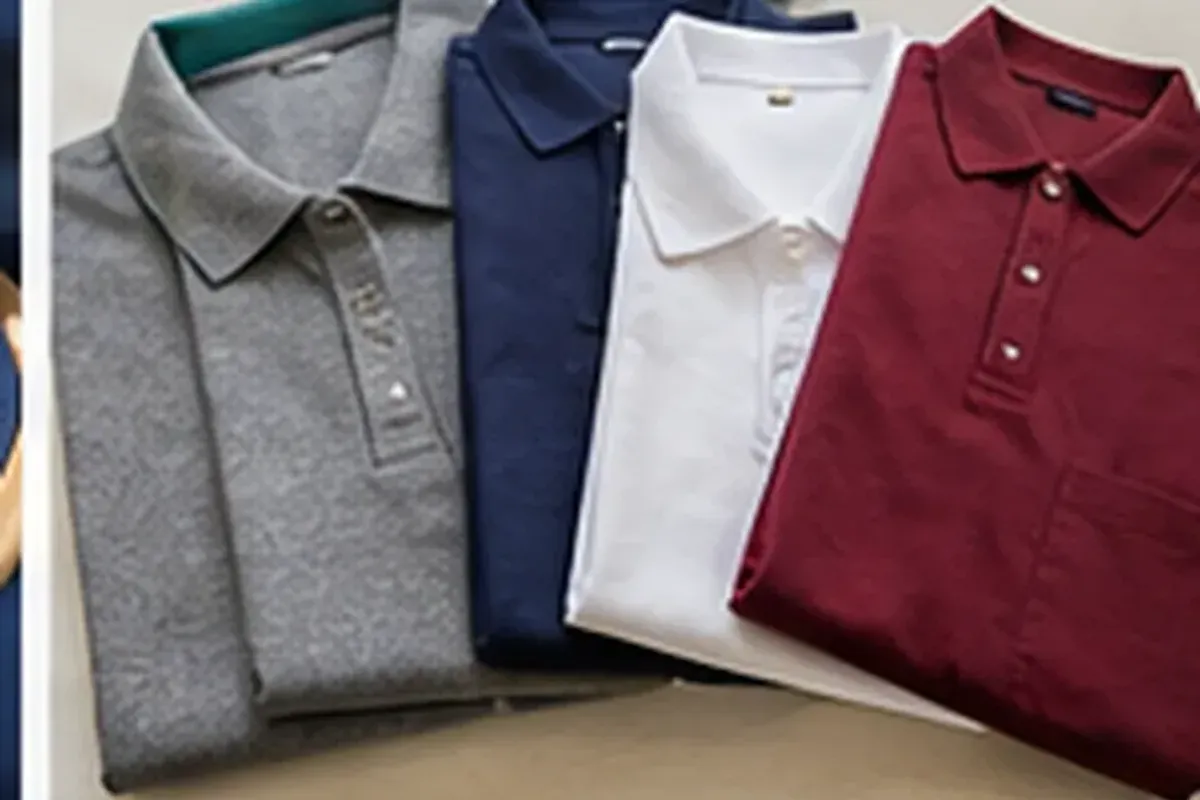
Uniform shop sizing help works when staff follow the same short routine for every family: ask a few questions, try on one key garment, read the fit cues, then size the rest of the uniform from that result. A try-on rail with one garment in each size, and staff who know the fit cues for shirts, knitwear, blazers and trousers, turn a busy pre-term queue into quick, correct sales. The routine matters more than experience, because it makes new and seasonal staff as reliable as long-serving ones.
This guide is for shop owners training counter staff before the busy weeks.
The four questions to ask first
Before anything comes off the shelf, staff can narrow the size with a few questions:
- What size does the student wear now in this uniform? The fastest guide, if the garments are from the same range.
- Has it been feeling tight or short? Tells you whether to move up.
- Will this garment be worn over anything? Jumpers over shirts; blazers over jumpers.
- Does the family prefer room to grow? Some want a close fit, others want a full year’s wear.
The try-on rail
Keep a rail or shelf of try-on garments, one in each size, for the items that are hardest to judge by eye. They stay in the shop, are marked as try-on stock, and are replaced when worn.
| Garment | Include on the try-on rail? | Why |
|---|---|---|
| Blazer | Yes | Shoulder and sleeve fit can’t be judged folded |
| Jumper or cardigan | Yes | Room over a shirt varies by build |
| Sweatshirt | Yes | Quick indicator for the whole top half |
| Trousers | Yes, key waist sizes | Length and seat vary |
| Skirt | Yes, key waist sizes | Length against the school’s rule |
| Shirt or polo | Optional | Chest fit is forgiving; size from the jumper |
| PE kit | Optional | Loose fit; size from the polo or sweatshirt |
Fit cues staff should know
Train staff to look for a few clear signs on each garment rather than asking “does it feel all right?”
- Shirts and polos: shoulder seam at the shoulder edge; sleeve to the wrist on long sleeves; body long enough to stay tucked when the student raises their arms.
- Jumpers and sweatshirts: fits over a shirt without pulling at the chest; cuffs at the wrist; hem covers the waistband.
- Blazers: closes over a jumper; shoulders do not hang over; a little shirt cuff shows.
- Trousers: waist comfortable with the adjuster, if any, in the middle; hem at the top of the shoe.
- Skirts and pinafores: length meets the school’s rule; straps on pinafores sit on the shoulders.
- PE kit: room to stretch and crouch; shorts not too long in the leg.
Sizing the rest from one garment
Once the jumper or sweatshirt fits, the polo or shirt is usually the same size or one smaller, and the blazer the same size or one larger. Staff should confirm with the chart for the specific range rather than assume.
Training checklist before the busy weeks
- Every staff member has tried the four questions on a colleague
- Try-on rail complete, in every size, and labelled as not for sale
- Fit cues printed and kept at the counter
- Staff know where size systems change, such as age to collar sizes
- A tape measure and the size guide are at each till
- Staff know the exchange policy and can explain it in one sentence
Consistent stock makes staff advice reliable
Staff advice only works if a size fits the same way every time. When reorders are made to the same approved sample, the try-on rail stays accurate across the year. We manufacture in India and make every repeat order to the approved sample and chart, so try-on garments from one order still represent the stock from the next. Our page for uniform shops and retailers explains how we work with shops on ranges and reorders.
If you are planning stock of school knitted jumpers and cardigans or PE kit for the coming term, ask us to include extra pieces in each size for a try-on rail. We will quote per style, by fabric, quantity and branding.
Questions buyers ask
Should students try on every uniform garment?
Not usually. Trying on one key top and the trousers or skirt is enough for most students. Shirts, polos and PE kit can then be sized from those results using the chart, which keeps the queue moving during busy weeks.
What should staff do when a student is between sizes?
Follow the shop’s written rule, so every staff member gives the same advice. A common rule is to choose the larger size for tops and outer layers, and the size that fits the waist for trousers and skirts.
How often should try-on garments be replaced?
Replace them when they look worn, stretched or faded, since a tired try-on garment can mislead families about fit and quality. Checking the rail at the start of each busy season is a sensible routine.