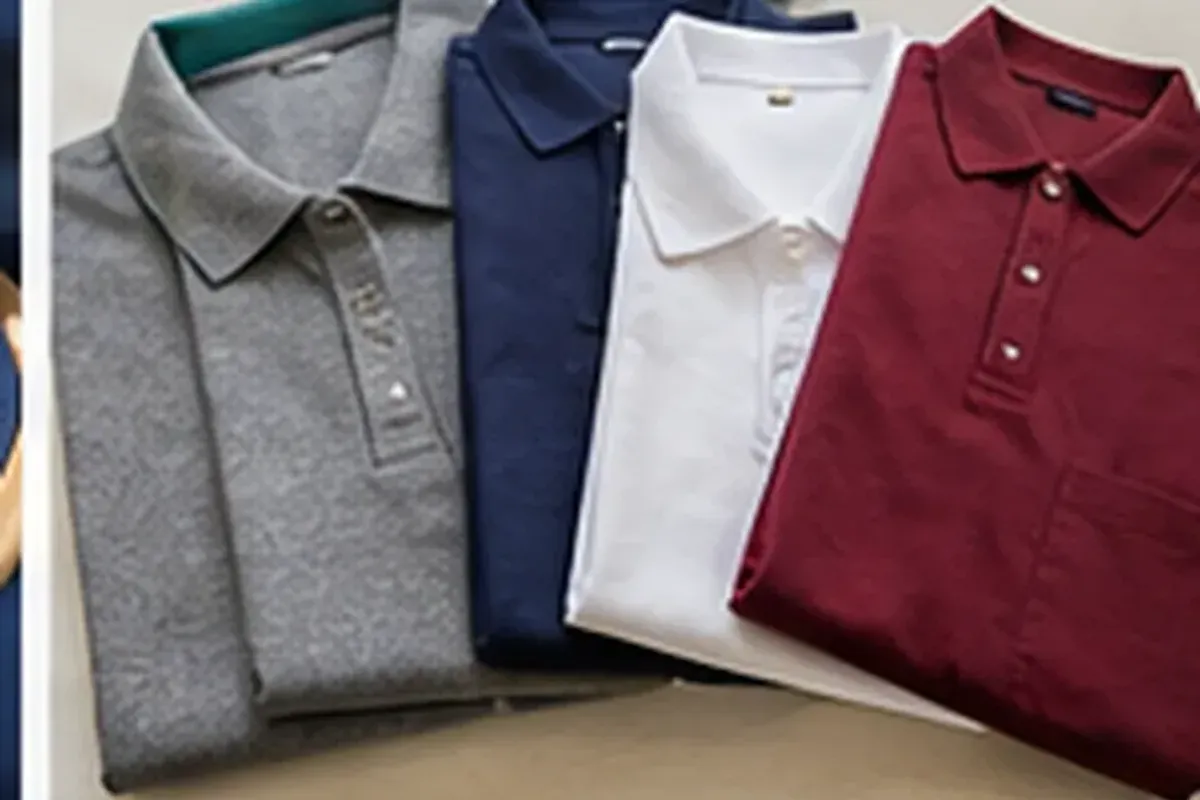
The effect of second-hand uniform on stock is uneven: it cuts demand for new garments that last well and are easy to pass on, such as blazers, jumpers and trousers, while barely touching items worn close to the skin or worn out by daily use, such as shirts, polos and PE kit. A shop or school that reduces every garment by the same amount when a second-hand scheme starts will overstock some lines and run short of others. Adjust garment by garment instead.
Why second-hand affects garments differently
Whether a garment comes back for reuse depends on how it ages and how families feel about wearing it second time round.
| Garment | Reuse potential | Effect on new demand | Why |
|---|---|---|---|
| Blazers | High | Noticeable fall | Outgrown long before worn out; costly new |
| Jumpers, cardigans, sweatshirts | High | Moderate fall | Outgrown rather than worn out |
| Trousers, skirts, pinafores | Medium | Some fall | Knees and seats wear, but many are outgrown first |
| Tracksuits and fleece jackets | Medium | Some fall | Durable, but cuffs and knees wear |
| Summer dresses | Medium | Some fall | Seasonal, worn less often |
| Shirts, blouses, polos | Low | Little change | Collars and cuffs mark; white yellows |
| PE T-shirts and shorts | Low | Little change | Heavy wear and washing |
This is a general picture. Your own scheme’s records will show the real pattern for your schools.
Where second-hand demand comes from
Second-hand uniform reaches families through several routes: a school’s own scheme, a parent association sale, a charity programme, or informal passing between families and siblings. Each route reduces new purchases in slightly different ways.
- Organised schemes tend to handle outer layers and blazers, because these are worth collecting and resell well.
- Sibling hand-downs spread across all garments, but mostly affect starter purchases for younger children.
- Charity programmes may provide new or second-hand items to families in need, reducing demand in specific sizes.
If you know which routes operate at a school, you can predict which garments will see the largest change.
Measuring the effect on your stock
Before cutting an order, measure.
- Compare sales before and after. Take the same garment and size for the year before the scheme and the year after. Adjust for changes in roll numbers.
- Ask the scheme organisers. Many schemes record what they take in and give out by garment. Even rough totals help.
- Watch the size pattern. Second-hand supply often runs short in the largest sizes, because older students wear garments longer. New demand may hold up there while falling in the middle sizes.
- Track starter purchases separately. Starters are the group most likely to use second-hand items, especially for blazers.
Adjusting orders garment by garment
Once you have measured the effect, adjust each garment separately:
- Blazers and knitwear. Reduce depth in the sizes where second-hand supply is strongest. Keep the largest sizes and the starter sizes covered.
- Trousers and skirts. Reduce slightly in middle sizes, keep the rest.
- Shirts, polos and PE kit. Leave close to the previous level.
- Seasonal items. Watch the first season after the scheme starts, then adjust.
Each style still needs its minimum: 50 pieces for woven garments and 100 for knitwear and sportswear, with sizes mixed. If a scheme reduces demand for a logo blazer well below that, consider ordering blazers less often, in one larger order covering more than a year.
Working alongside a second-hand scheme
Second-hand schemes and new stock sit together more easily when they are coordinated. A shop or school can share information both ways: which sizes the scheme is short of, and which the shop is overstocked in. Some shops refer families to the scheme for blazers and keep new stock focused on the items families always buy new.
Repeat orders follow the approved sample, so new garments match pre-worn ones in colour and style. That matters to families mixing the two.
Our charities and uniform programmes page explains how we work with groups supplying uniform to families. Blazers show the largest effect, so our school blazers page is worth reading before you change that line. Send us your adjusted quantities, and we will quote each style by fabric, quantity and branding.
Questions buyers ask
Does a second-hand scheme reduce a uniform shop’s sales overall?
It usually reduces sales of long-lasting garments such as blazers and knitwear, while daily items such as shirts and polos are little affected. Planning stock garment by garment keeps the shop well stocked where demand remains and avoids overstock where it falls.
Should a shop run its own second-hand rail?
Some do, because it keeps families coming in and gives the shop a view of supply. It also brings handling, cleaning and storage work. It is a business decision, and either choice works if new stock is adjusted to match.
How quickly does demand settle after a scheme starts?
Typically over one or two years. The first year often sees a burst of donations and a sharp fall in new blazer and jumper sales, which can ease once the initial stock of donated items has been taken up.