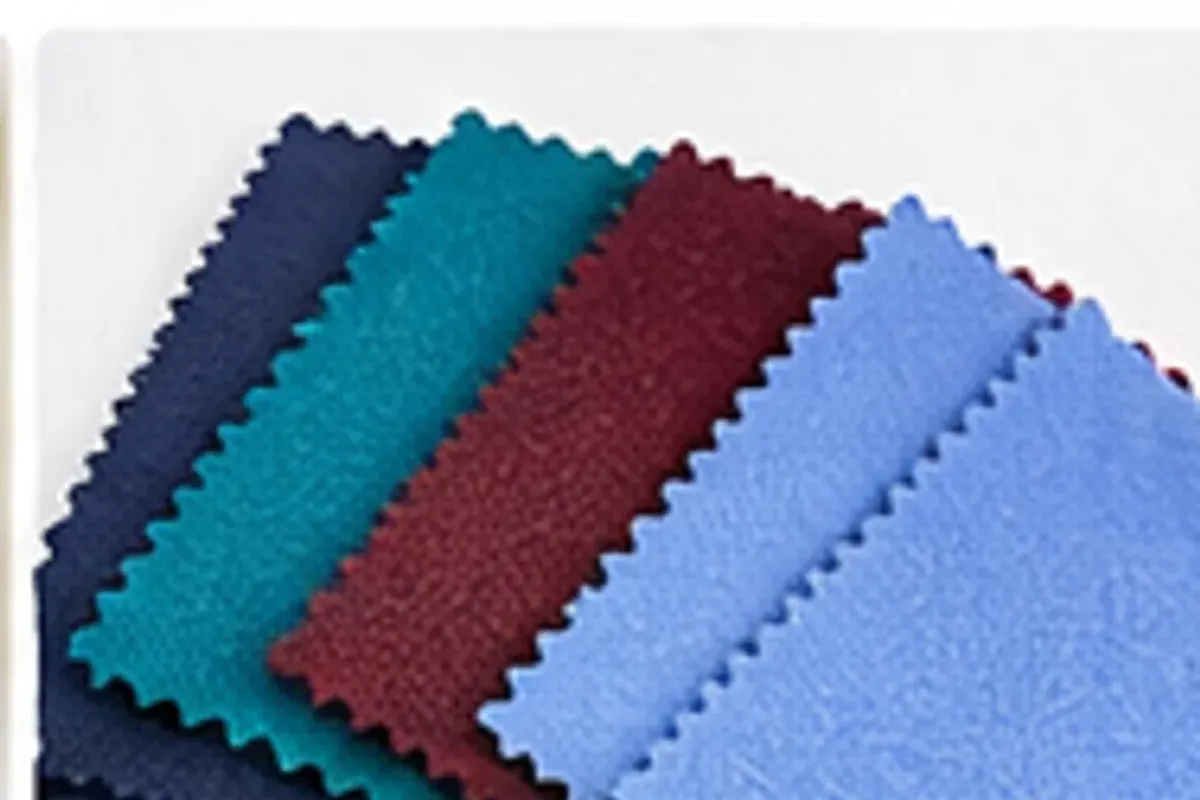
School shirt fabric weight is how heavy the woven cloth is for a given area, and it shapes how a shirt feels, how warm it is, how opaque it looks and how long it lasts. Lighter poplin is cool and quick to dry but can be slightly see-through in white; heavier cloth, such as Oxford, is more opaque and substantial but warmer. The right weight depends on the climate, the colour and who wears the shirt.
Buyers often ask for a single number. A number helps when comparing two cloths of the same type, but it does not tell the whole story, so judge weight on a swatch and a sample.
What changes with weight
| Effect | Lighter cloth | Heavier cloth |
|---|---|---|
| Warmth | Cooler, suits hot terms | Warmer, suits cool terms |
| Opacity in white | Can show a vest or skin | More opaque |
| Drape | Softer, moves with the body | Holds a crisper line |
| Drying time | Quick | Slower |
| Ironing | Creases come out fast | Needs a little more pressing |
| Feel | Airy | Substantial |
| Logo embroidery | Needs a backing to avoid puckering | Supports stitching more easily |
Weight interacts with weave. A tightly woven light poplin can be more opaque than a loosely woven heavier cloth. That is one reason a swatch tells you more than a figure on a specification sheet.
The see-through question
Opacity is the weight-related issue buyers raise most, especially for white shirts and blouses worn by older students. Factors that affect it:
- Weight and weave density. Denser cloth hides more.
- Colour. White is the most revealing; pale blue hides a little more.
- Fit. A close fit pulls the fabric against the body and makes it look thinner.
- What is worn underneath. A white vest shows less than a coloured one.
If opacity matters to the school, hold the swatch and then the sample up to daylight, and try the sample on a student of the right age. Our page on fabrics and colour matching explains how swatches and samples are approved.
Matching weight to climate and style
Shirt weight decisions usually follow the season and the style:
- Short-sleeve shirts for hot climates suit a lighter poplin, which is cool and dries overnight.
- Long-sleeve shirts worn under jumpers or blazers can be a little heavier, since warmth is welcome and opacity matters less under a layer.
- Oxford shirts are naturally heavier because of the basket weave, which is part of their appeal for seniors.
- Revere-collar blouses worn on their own in summer benefit from a cloth that is light but not see-through, so they are worth checking carefully against daylight.
Using one weight for long and short sleeves keeps the range simple and makes the shade easier to match across both. Using two weights gives better comfort in each season but adds a fabric to approve.
Comparing weights from different sources
If you are switching makers, comparing a weight figure on paper can mislead, because measurement methods and finishing can differ. A more reliable approach:
- Send a current shirt or a cutting of the cloth you like
- Ask for a swatch of the proposed fabric to compare side by side
- Compare opacity against daylight in white and in any other colour
- Compare the feel and drape, not only the number
- Wash both and compare again
We treat any weight figure as a description rather than a promise, and confirm the fabric for your order in the quotation.
Our shirts are made in poly-cotton poplin and Oxford; all styles are on the school shirts and blouses page. Send us the shirt you want matched, or describe the weight and feel, and we will quote by fabric, quantity and branding.
Questions buyers ask
Is a heavier school shirt more durable?
Not automatically. Durability depends on the fibres, the weave and the construction as well as the weight. A well-made lighter poplin shirt can outlast a heavier one with weak seams. Check construction on the sample alongside the cloth.
Can we use a lighter fabric for summer shirts only?
Yes. Summer short-sleeve shirts can be made in a lighter cloth than winter long-sleeve shirts. Each is its own style, so the fabric is approved separately and matched as closely as possible in colour.
Why does a white shirt look thinner when worn?
The body behind it shows through, and a close fit stretches the cloth slightly. A shirt that looks opaque on a hanger can look thinner when worn, so test opacity on a student, not only on a hanger.