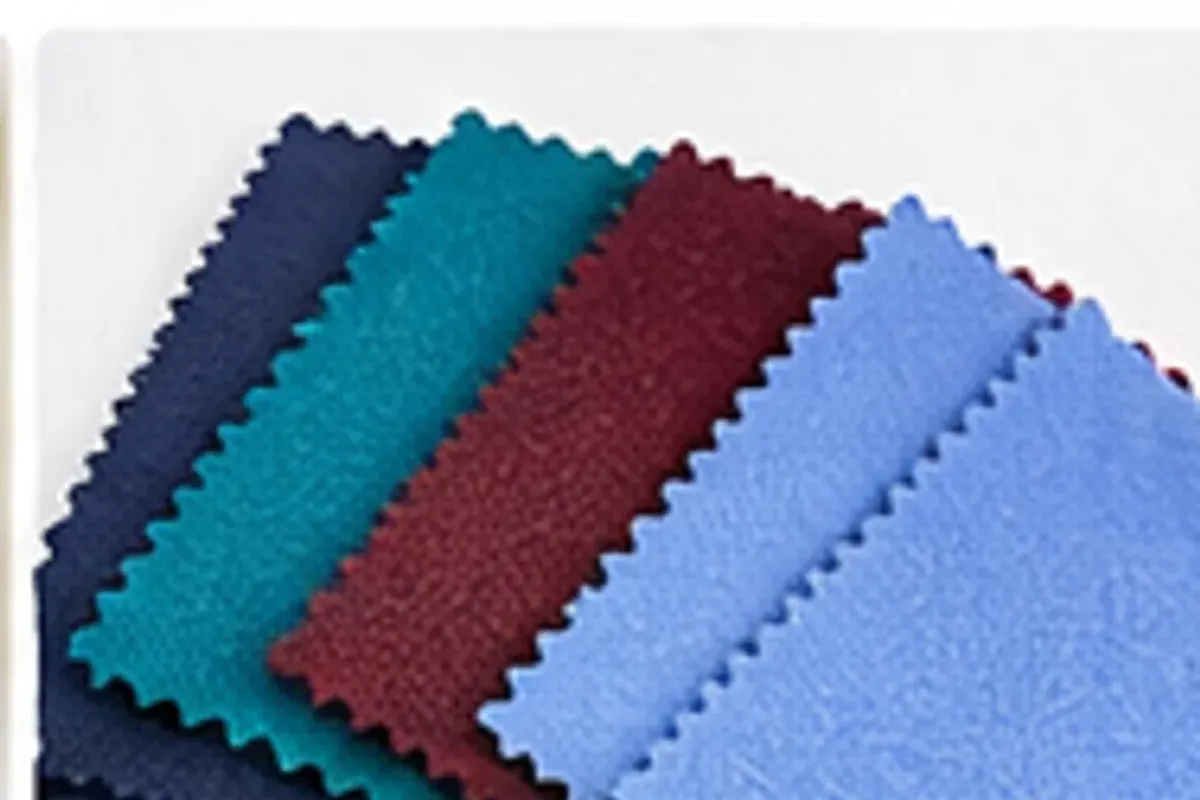
A primary school uniform colour combination should be cheerful enough for young children but practical enough to survive paint, grass and lunch. The usual formula is a light polo shirt or shirt, a mid or dark sweatshirt or cardigan in the school colour, and dark shorts, trousers, skirts or pinafores that hide marks.
Primary uniforms differ from secondary ones in two ways that affect colour. The garments are washed more often, and they tend to be casual knitwear and polos rather than blazers and formal shirts. Both push the palette towards shades that stay presentable through hard wear.
Which colours suit primary pupils?
Young children spend much of the day on the floor, at tables with paint and glue, and outdoors. Pale colours on the lower half of the body show this immediately. Mid-tone and darker colours on sweatshirts and cardigans hide small marks between washes.
At the same time, many primary schools want a brighter, friendlier feel than a secondary school. The answer is usually to put the brightness in the top layer and keep the lower garments sober.
| Combination | Top layer | Polo or shirt | Lower garments | Summer option |
|---|---|---|---|---|
| Classic blue | Royal blue sweatshirt | White polo | Grey trousers, shorts, skirt | Blue gingham dress |
| Red and grey | Red sweatshirt or cardigan | White polo | Grey trousers, pinafore, skirt | Red gingham dress |
| Green and yellow | Bottle green sweatshirt | Yellow or white polo | Grey or green lower garments | Green gingham dress |
| Navy and sky | Navy sweatshirt | Sky blue polo | Navy shorts, skort, trousers | Sky blue striped dress |
| Purple accent | Purple sweatshirt | White polo | Grey or black lower garments | Lilac gingham dress |
These are starting points, not rules. Use them to test a palette against the full list of garments before committing.
Building the colour scheme around the sweatshirt
In many primary schools, the sweatshirt or cardigan is the item that carries the school’s identity. It is worn every day for much of the year and carries the logo. So it makes sense to fix its colour first and build outwards.
- Choose the sweatshirt colour. This is your main colour. Mid to strong shades such as royal blue, red, bottle green and navy are popular.
- Choose the polo colour. White is the simplest, but it marks quickly. A pale tint of the main colour, such as sky blue with navy, is more forgiving.
- Choose the lower garment colour. Grey goes with almost anything. Navy or black work if the sweatshirt is bright.
- Choose the summer dress colourway. Draw it from the main colour, so a red school has a red gingham.
- Check the logo on both the sweatshirt and the polo, since it will be embroidered or printed on both.
Our school sweatshirts and hoodies and school polo shirts are made in poly-cotton fleece and piqué, so the sweatshirt and polo shades are matched separately and shown to you together on the sample.
Avoiding common primary colour mistakes
Some colour decisions look sensible on paper and cause problems later.
- White sweatshirts or cardigans. They look smart in photos and grey within weeks.
- Too many colours. A uniform with a different colour for each garment is hard for families to buy and for shops to stock.
- A bright lower garment. Bright red or royal blue trousers show every mark and fade at the knees.
- A summer dress that clashes with the cardigan. Pupils wear both together on cooler summer mornings, so test them side by side.
Ordering the colours
Polo shirts and sweatshirts are knitwear, with a minimum of 100 pieces per style, while skirts, pinafores and summer dresses are woven, from 50 pieces per style. Sizes can be mixed within each style, and the colour split is confirmed at quotation. Schools ordering for their own pupils can see how a first order runs on our page for schools and school groups.
Send us your shortlisted colours and the list of garments, and we will quote each style by fabric, quantity and branding, with samples for colour approval before production.
Questions buyers ask
What is a common primary school dress colour?
Gingham summer dresses in blue, red, green or lilac are common, each matched to the school’s main colour. Darker shades of gingham hide marks better than very pale ones, which matters for pupils who play outdoors at break and lunch.
Should primary pupils wear shirts or polo shirts?
Polo shirts are more common in primary schools because they are easier for young children to put on and need no tie. Some schools use shirts for older primary years. The colour scheme works the same way with either.
Can the cardigan and sweatshirt be the same colour?
Yes. Many primary uniforms offer both, and they should match. Because a knitted cardigan and a fleece sweatshirt are different fabrics, each is matched to your reference separately, and you approve both before bulk production.