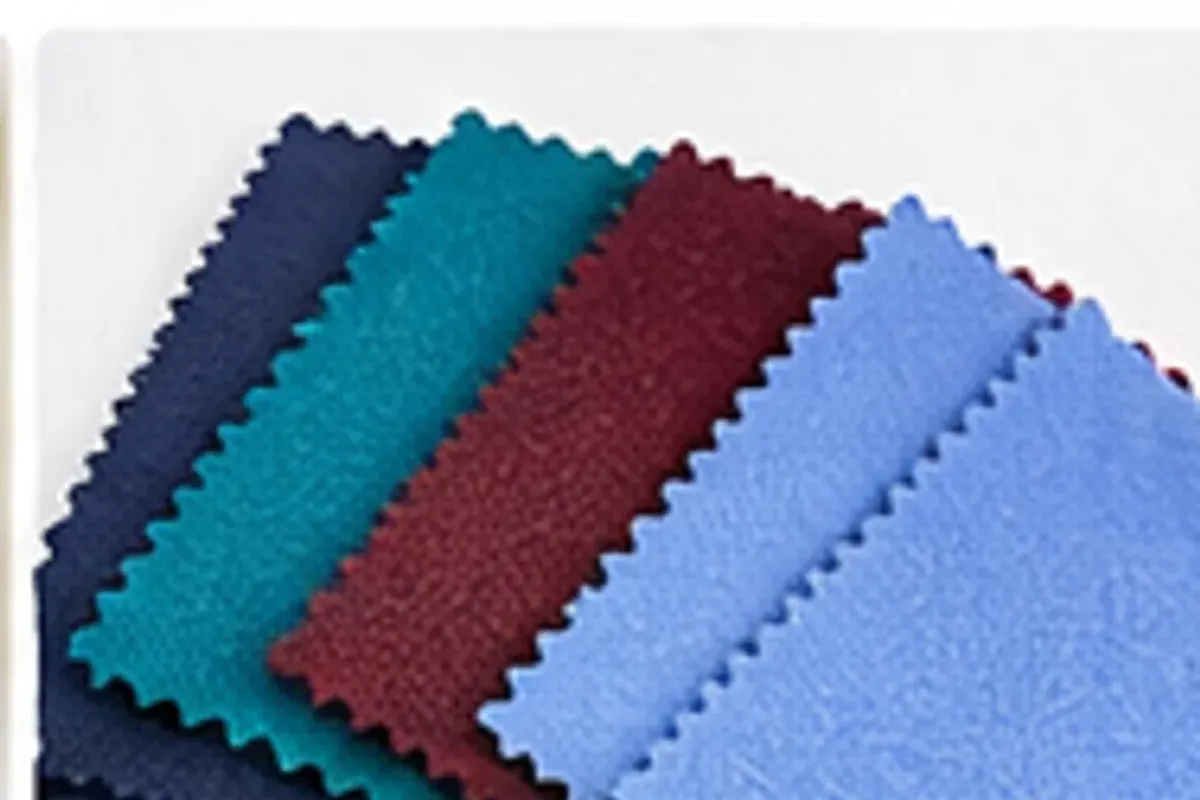
A logo on fleece jacket fabric needs to stand above the soft pile, or the fibres poke through and blur the design. That is why embroidery is the usual method on a polar fleece jacket, with a badge sized generously enough for its details to show. Either embroidery or printing can be specified, and the sample settles the method, size and position.
Polar fleece is the brushed, lofty fabric used for zip-through school jackets. It differs from the smooth tricot of a tracksuit and from the knitted fleece inside a sweatshirt, and it asks for its own approach to branding.
What makes polar fleece different?
Polar fleece is brushed on the surface so the fibres stand up into a pile. The pile traps air, which gives warmth, but it also means:
- thin stitches sink into the fabric and disappear
- fine print sits on top of uneven fibres and can look broken
- the fabric is thick, so a dense badge can make the front stiff
None of this rules out a crisp badge. It means the artwork and method are adjusted to suit the pile.
How a badge is made to stand out on fleece
| Technique | What it does | When to use it |
|---|---|---|
| Underlay stitching | A base layer flattens the pile under the design | Almost every fleece badge |
| Wider satin stitches | Columns of thread sit above the pile | Lettering and borders |
| A slightly larger badge | Gives fine details room | Badges with mottos or small shapes |
| Topping film | A thin layer on top keeps stitches from sinking | Small text, detailed badges |
| Fewer thread colours | Keeps the badge clear and less dense | Complex crests |
These are general techniques; the approach for your badge is agreed and shown on the sample.
Is printing possible on fleece?
Printing on a lofty fleece is harder than on tricot. The pile makes the surface uneven, and heat used in some print methods can flatten or mark the fleece around the design. For a small chest logo, embroidery is more reliable. Where a school wants a large back print on the fleece, we confirm what is practical on the sample, and some schools keep the large back lettering on the tracksuit top instead.
Where to place the badge
The left chest is the usual spot, matching the tracksuit top and the school sweatshirt, so the badge is in the same place across the sportswear. Other positions:
- Right chest: a second mark such as a house name, sport or year
- Upper back, below the collar: a short school name, embroidered
- Sleeve: a small mark, if the sleeve is free of panels
Keep the badge clear of the zip and any chest pocket. On a fleece with a contrast shoulder yoke, check the badge sits fully on the body colour rather than crossing the yoke seam.
Matching thread to fleece colour
Thread colours are matched to the badge artwork. On a dark fleece, a light thread outline helps the badge read from a distance. On a light fleece, a darker outline does the same. Our page on fabrics and colour matching explains how colours are agreed before production, and logos, embroidery and labels covers artwork.
Fleece jackets are full zip, with contrast panels or piping if specified, and are shown with our tracksuits on the school tracksuits and jackets page. Send us your badge artwork and the fleece colour, and we will make a sample badge so you can judge it on the real fabric before approving the order.
Questions buyers ask
Should the fleece badge be the same size as the tracksuit badge?
Often it is a little larger, because the pile hides fine detail. If you want both to look the same, we can size both to suit the fleece, and show them side by side on the samples.
Will the pile flatten around the embroidery over time?
A neat ring of flattened pile around a badge is normal on fleece and comes from the underlay. It usually looks tidy. Washing fleece inside out and avoiding tumble drying on high heat helps the rest of the pile stay soft.
Can a sweatshirt badge file be reused for the fleece jacket?
Yes, as a starting point. The stitch plan is usually adjusted for the deeper pile of a polar fleece, so the result may differ slightly in density and size. The sample shows the final look.