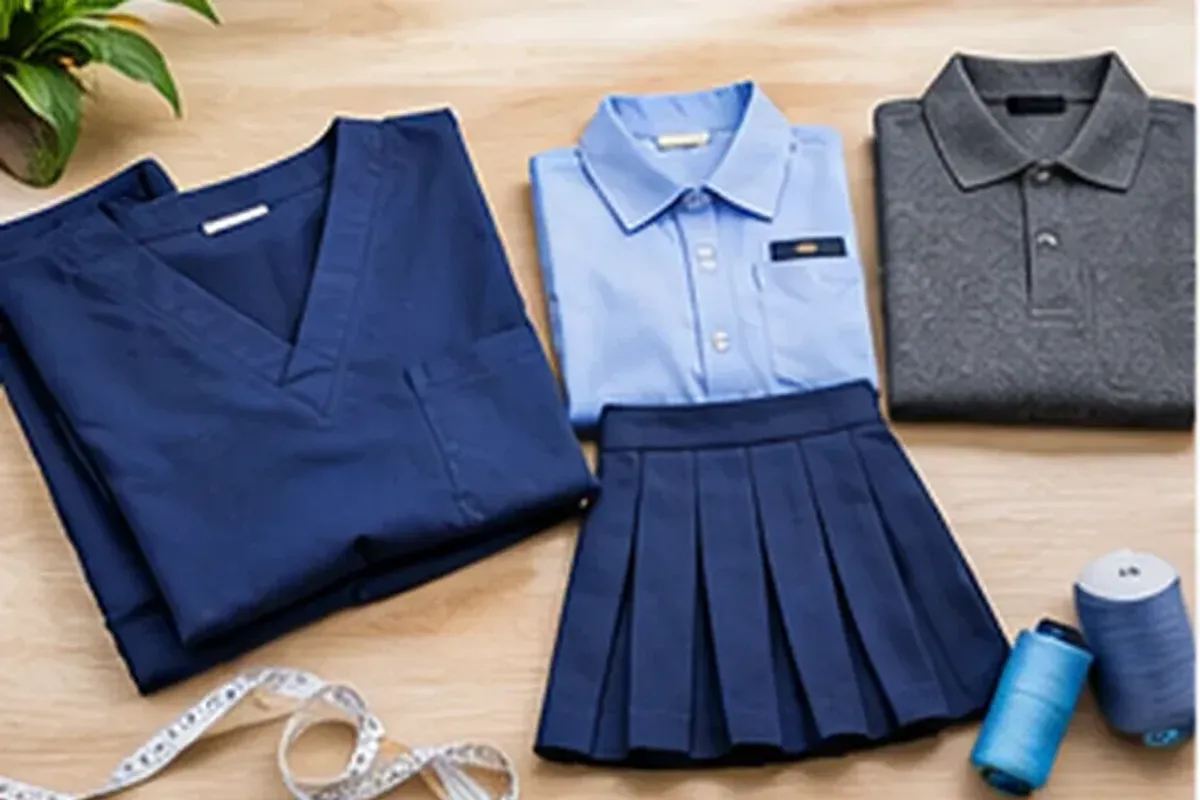
When you learn of a late uniform delivery, act in this order: confirm the new date and what is causing the delay, work out which garments and sizes will run short and when, protect those sizes with whatever stock you hold, tell families and staff early, and agree with the manufacturer whether part of the order can ship first. A late delivery handled calmly a month before term rarely becomes a crisis.
Delays happen for many reasons, from a sample that took two rounds to approve, to a payment that sat in an inbox, to shipping disruption. The response is much the same whichever caused it.
The first steps once you know
- Get the facts in writing. Ask the manufacturer for the revised dispatch date, the expected arrival date, and the reason. Ask which styles are affected; it may not be the whole order.
- Check your own side. Was a sample approval, artwork file or payment late on your side? If so, fix it at once and note it for next time.
- Count current stock. By garment and size. Work out how long each size will last at the usual rate of sales or issues.
- Find the gap. Compare the date each size runs out with the new arrival date. That gap, not the overall delay, is the real problem.
Often the gap is in a few middle sizes of one or two garments. Knowing that turns a vague worry into a specific task.
Options for covering the gap
| Option | When it helps | Things to weigh |
|---|---|---|
| Ship part of the order first | Some styles are finished before others | Each shipment has its own shipping cost and paperwork |
| Change the shipping method | The goods are ready but the journey is long | A faster method usually costs more; confirm with the manufacturer |
| Hold back short sizes for new starters | Existing students already own the garment | Families of current students wait a little longer |
| Allow a temporary alternative | The garment is plain or optional | Needs a clear message and an end date |
| Borrow from a second-hand scheme | Mid-range sizes of outer garments | Supply is uneven |
| Delay a seasonal changeover | Summer dresses or short sleeves are late | Students keep winter items a little longer |
For a summer item such as a dress, simply extending the use of the winter uniform for a few weeks can solve the problem. For a compulsory logo item, such as a sweatshirt, a short period in which a plain garment of the same colour is allowed can cover new starters until stock arrives.
Telling families and staff
Tell people early and plainly. A short message a few weeks before term is far better than empty shelves on the first day.
- Which items are affected, and which are not
- When stock is expected
- What students may wear in the meantime
- Whether families who need an item urgently should contact the school or shop
- That a further update will follow when stock arrives
Staff need the same information, especially those who will see students on the first days of term. A teacher who knows plain navy sweatshirts are allowed until a set date will not send a student home.
Preventing the next late delivery
After the dust settles, look back. Most late deliveries trace to the time before production rather than production itself.
Start earlier. Count back from the date stock must be in school, not term start, and add time for samples, approval and payment.
Approve samples promptly. Set a decision date when the sample is sent, and name who signs.
Pay on time. Put the advance and balance dates in the finance calendar when you accept the quotation.
Order the critical garments first. If cash or time is tight, put the items needed on day one, such as logo knitwear and PE kit, in the first order.
Keep a safety margin. Hold enough of the fastest sizes to cover a few weeks of delay.
We manufacture in India and confirm the lead time for each order in the quotation. If a delay arises on our side, we tell the buyer as early as we can, with the revised date and the styles affected, and discuss whether finished styles can ship first. Shipping method, terms and documents are confirmed in the quotation.
Our page on shipping and documents explains how shipping is arranged. Late items often include seasonal garments such as school summer dresses and logo knitwear such as sweatshirts and hoodies. For your next order, send us your required-in-school date first and we will plan the quotation around it.
Questions buyers ask
Should we cancel a uniform order if it will arrive late?
Usually not. The garments are made to your specification and will still be needed, and a new order elsewhere would take time too. It is generally better to cover the gap with existing stock and temporary arrangements, and to review the cause before the next order.
Can a manufacturer split a late order into two shipments?
Often, if some styles are finished before others. Each shipment has its own shipping arrangements and documents, so ask the manufacturer what splitting would involve and whether it changes the terms before deciding. It suits orders where one or two garments are urgent.
How much notice should families get about a late uniform item?
As much as possible, ideally several weeks before term. Tell them which items are affected, what to wear meanwhile and when to expect stock. A short, specific message reduces calls and stops families buying the wrong items elsewhere while they wait.