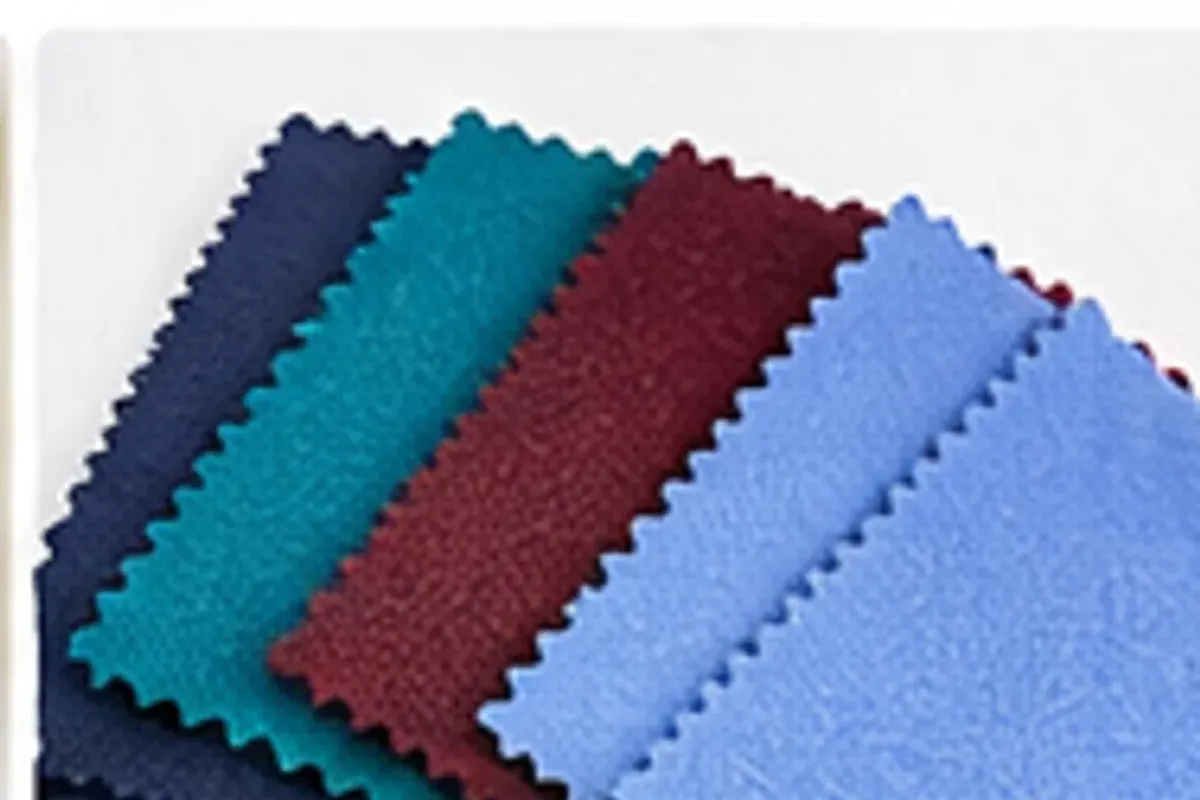
A good school uniform colour scheme uses one main colour, one neutral and, at most, one accent, chosen so they work on every garment on the list, from shirts to knitwear. Pick colours that hide daily wear, can be matched again in later years, and look the same on woven and knitted fabric.
Most schools only choose their colours once in a generation, so the decision deserves more time than it usually gets. This guide is for schools setting up a uniform for the first time, and for the shops and suppliers who advise them.
What makes a colour work on a school uniform?
A colour that looks good on a mood board can fail on a playground. Before you settle on a school dress colour, test it against four practical questions.
- Does it hide wear? Children sit on floors, kneel on grass and eat lunch in their clothes. Mid to dark shades on lower garments forgive far more than pale ones.
- Can it be matched again? A colour you cannot describe precisely is a colour that drifts from one order to the next. Choose a shade you can hold as a physical reference.
- Does it work on every fabric? Poly-viscose trousers, piqué polos and acrylic jumpers all take dye differently. A colour that is easy on one may be harder on another.
- Does it suit the climate? Very dark tops absorb heat in strong sun, while very pale tops show dirt quickly in wet weather.
Main colour, neutral and accent
The simplest way to build a palette is to give each colour a job. The main colour is the one people associate with the school. The neutral carries the everyday garments. The accent appears in small doses, such as trim, stripes or the logo.
| Role | Where it appears | Common choices |
|---|---|---|
| Main colour | Jumper, cardigan, sweatshirt, blazer, pinafore | Navy, bottle green, maroon, royal blue, black |
| Neutral | Shirts, blouses, polo shirts | White, pale blue, light grey |
| Lower garment | Trousers, shorts, skirts | Grey, navy, black, or the main colour |
| Accent | Stripe trim, braid, contrast collar, logo thread | Gold, red, sky blue, white |
Three colours is enough for almost any uniform. Every extra colour adds a reference to hold, a shade to approve and a line of stock for the shop to carry.
Checking the colours on every garment
Once you have a shortlist, map it against the full uniform list before asking for a quotation. A common mistake is to choose a colour from a single item, such as a jumper sample, and only later discover that the matching skirt or blazer looks different.
- List every garment on the uniform, including summer and winter items
- Assign each garment a colour role: main, neutral, lower or accent
- Note which garments are woven and which are knitted
- Decide whether boys’ and girls’ items share the same colours
- Choose a physical reference for each colour: a garment, a swatch or a colour-standard number
- Check that the logo reads clearly on both the main colour and the neutral
If the uniform includes a check or a striped summer dress, choose that pattern last. It should draw its colours from the palette you have already fixed, not the other way round.
How the colours are fixed with the manufacturer
When you send the list to us, each colour is matched to your reference and shown to you for approval before any fabric is cut. Woven and knitted garments are matched separately, so you will see the shirt, skirt and jumper shades as distinct samples. Once approved, those shades become the standard for every later order.
Schools that order direct often find it helpful to read how we handle first orders on our page for schools and school groups. Shops advising a new school can use the same steps.
A note on very bright or unusual colours
Bright colours such as purple, turquoise or orange can make a school stand out, but they are harder to keep consistent and can look tired quickly. If you want one, use it as the accent rather than the main colour. That keeps its visibility while limiting the risk.
Ready to price your colours
Send us your uniform list with a colour reference for each shade, and we will quote every style, from school shirts and blouses to knitwear, per style by fabric, quantity and branding. We manufacture in India and take enquiries from buyers in any country.
Questions buyers ask
How many colours should a school uniform have?
Two or three is usually enough: a main colour, a neutral for shirts and polos, and an optional accent for trims. More colours mean more references to approve, more lines for shops to stock, and more chances for shades to drift between orders.
Is navy still the most practical uniform colour?
Navy remains popular because it hides marks, suits most skin tones and is easy to match across woven and knitted fabric. It is not the only sensible choice; bottle green, maroon, grey and black share many of the same practical strengths.
Can we choose a colour from a paint chart or a screen?
You can start there, but a screen or printed chip is not a reliable reference for fabric. We ask for a physical swatch, a garment or a colour-standard number, and then show you a dyed sample to approve before bulk production.
Should the school colours match the logo exactly?
Not always. Logo colours are often brighter than practical garment colours. Many schools keep the logo’s bright shade for embroidery thread and trims, and use a deeper, more forgiving version of the colour on the main garments.