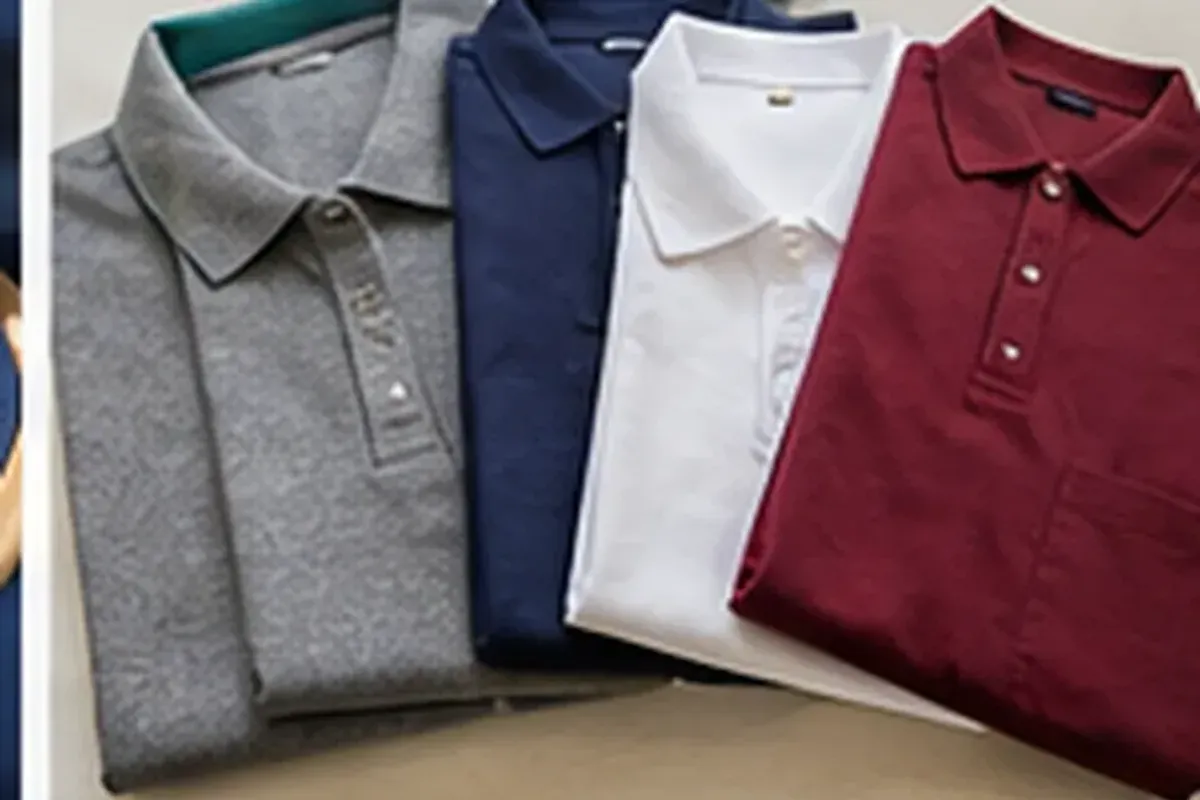
Back to school uniform stock has to be complete, checked and on the shelf before the first families arrive, because the rush lasts only a few weeks and a large part of a shop’s yearly sales happens inside it. That means ordering early enough for production and shipping, holding full depth in compulsory garments, and arranging stock so staff can serve quickly. A shortage in these weeks is hard to recover, because families who cannot buy from you will look elsewhere.
What makes the back-to-school peak different
Three things happen at once. New starters buy complete uniforms. Existing students replace what they have outgrown over the break. And families leave buying until the last fortnight, so demand is squeezed into a short window.
The timing depends on the country. In the UK the rush runs through August and early September. In Australia it falls in January, before the year begins in late January or early February. Schools in other countries have their own calendars, so plan from the date your schools reopen.
A countdown to the rush
Work backwards from the first busy day. The stages below are a planning template; the lead time for each order is confirmed in its quotation.
| Stage | When (counting back from the rush) | What to do |
|---|---|---|
| Plan | Several months before | Gather intake numbers, review last year’s sales, set quantities by garment and size |
| Order | As soon as the plan is set | Confirm styles, approve any new samples, place the order with time for production and shipping |
| Confirm | During production | Check dispatch timing and shipping documents; plan space for receiving |
| Receive | A few weeks before | Count every carton against the packing list, check sizes and labels |
| Arrange | The week before | Lay out the shop by school and garment, fill reserve shelves |
| Rush | Opening day onwards | Count fast sizes daily, record unmet requests |
Any new element, such as a changed logo or an added garment, needs extra time at the planning stage for sampling and approval.
How deep to go in each garment
During the rush, families buy several pieces of the daily garments at once, so depth there matters most. A useful way to set it is to ask how many days of rush sales each garment should cover before a reorder could arrive.
- Shirts, blouses and polo shirts: cover the whole rush. These sell in multiples and empty first.
- Trousers, skirts, pinafores and shorts: cover the whole rush, with extra in the sizes above last year’s peak for students who grew over the break.
- Jumpers, cardigans and sweatshirts: cover the rush, but in warm-weather starts many families delay buying until later.
- Blazers: cover the starters fully; existing students buy only when outgrown.
- PE kit: cover the rush in core items; house colours need the right split by colour.
- Summer dresses and shorts: depth depends on the season the year starts in.
Each style must reach its minimum: 50 pieces per style for woven garments, 100 for knitwear and sportswear, with sizes mixed within that.
Setting up the shop for speed
Stock that is in the building but hard to find is almost as bad as stock that is missing.
- Arrange the floor by school, then by garment, then by size
- Keep reserve stock of fast sizes within reach of the counter
- Label shelves and cartons with size marks staff can read from a distance
- Have a size chart for each garment at the fitting area
- Keep a sheet to record every request you could not fill
- Brief staff on which items are compulsory and which are optional for each school
Packing helps too. Garments packed by size with a size sticker on each pack are quicker to shelve and count. Packing is agreed in the quotation.
After the rush
When the rush eases, count stock and compare it with your plan. The record of unmet requests is the most valuable document of the year: it shows exactly which sizes and garments you underbought. Place the first top-up straight away, while families who were turned away may still come back.
Our how to order page sets out each step from enquiry to dispatch, which helps when you build the countdown. Skirts and trousers often run short in the sizes above last year’s peak, so take a look at our school skirts and skorts when you plan that depth. Send your quantities and the date your rush begins, and we will prepare a quotation.
Questions buyers ask
How early should a uniform shop order for the new school year?
Early enough for production, quality check, shipping and receiving to finish before the first busy day, plus time for sampling if anything is new. Lead time is confirmed in the quotation, so ask for it first and build your dates backwards from it.
Should a shop accept pre-orders before the rush?
Pre-orders from families can help, because they show demand by size before stock arrives. They suit starters, whose sizes can be measured at an induction or fitting day, and less well for existing students who may grow over the break.
What sells out first in the back-to-school rush?
Usually the middle sizes of shirts, blouses and polo shirts, followed by trousers and skirts one size above last year’s peak. Those are the items families buy in multiples, and the sizes that the largest groups of students need.